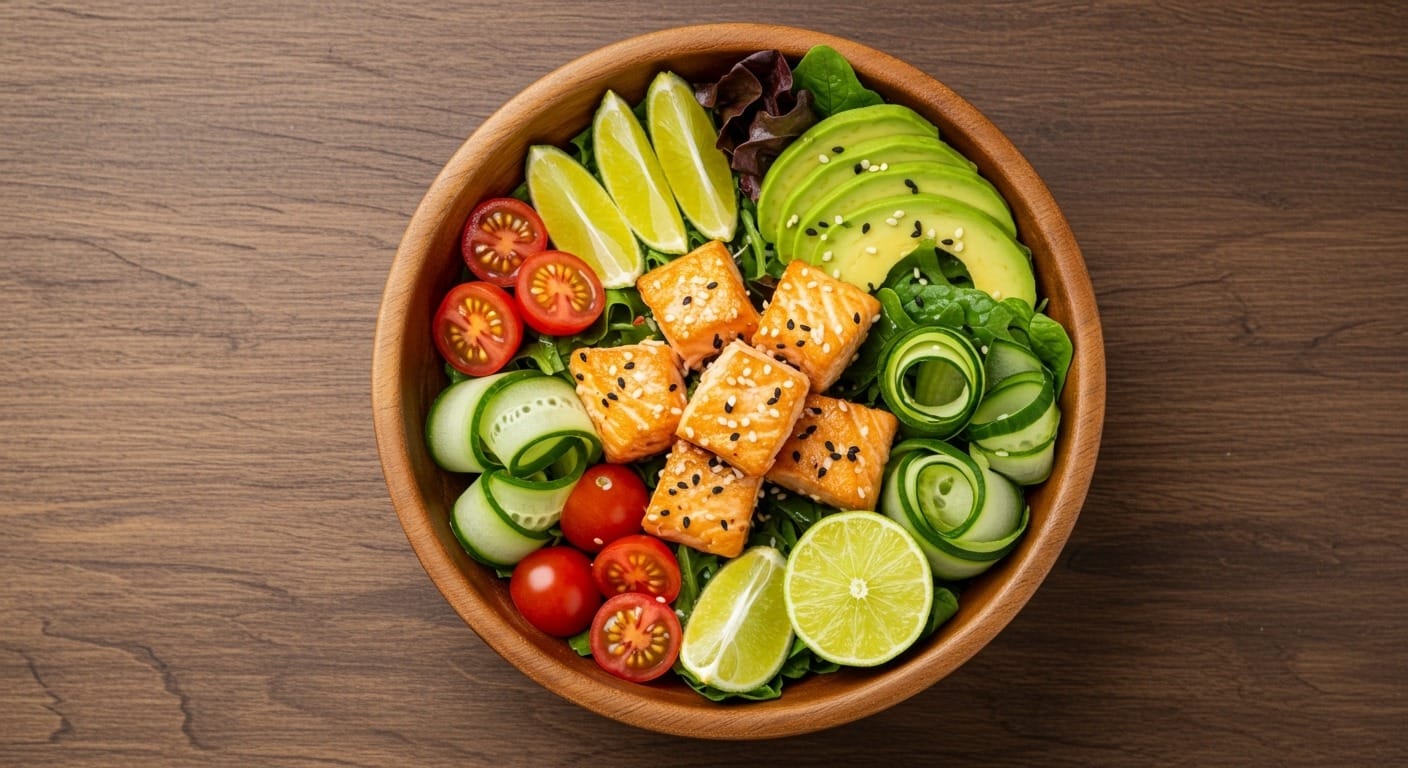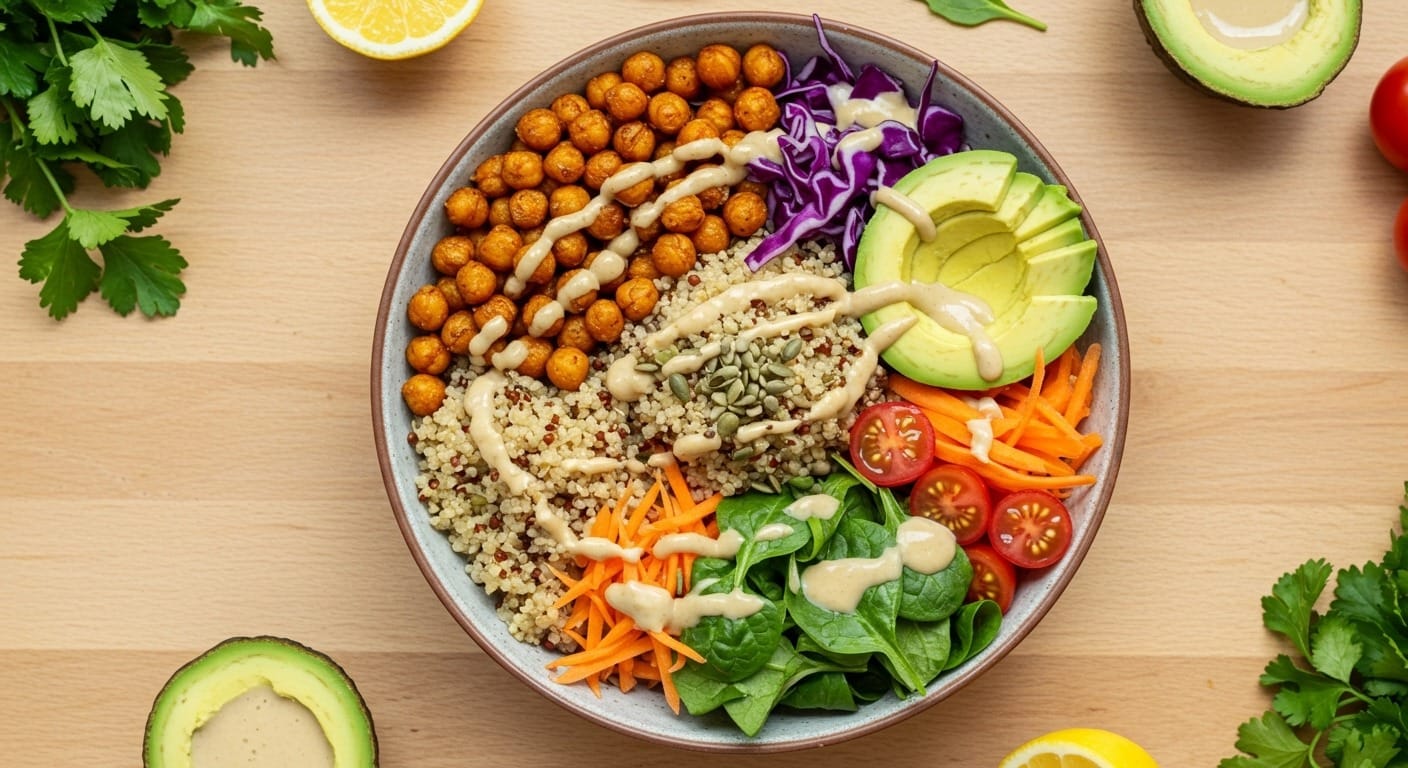

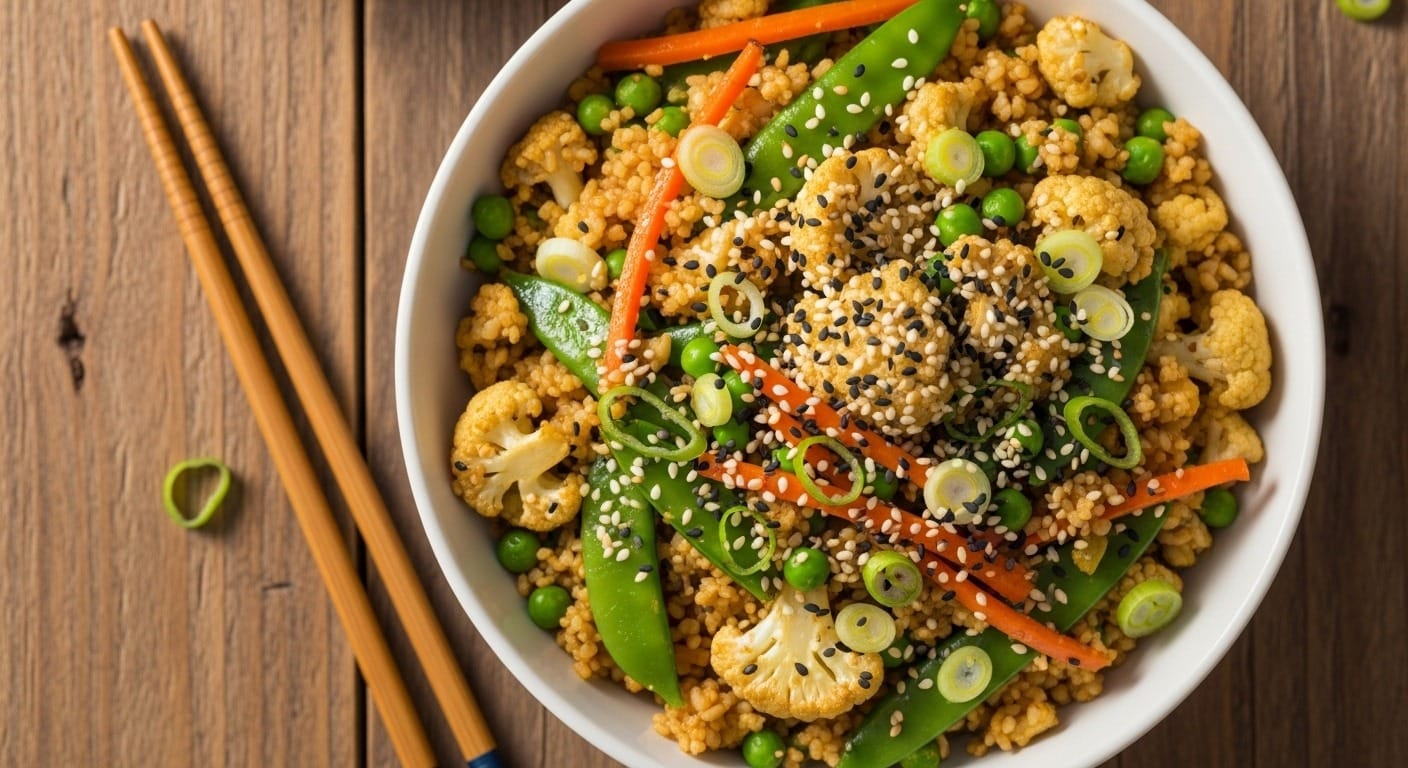
My sister called me last week asking for something quick, filling, but not heavy. She’d been feeling sluggish after dinners and wanted to eat lighter without sacrificing flavor. I told her about this low-carb cauliflower fried rice, and now she makes it twice a week. Sometimes the simplest swaps make the biggest difference.
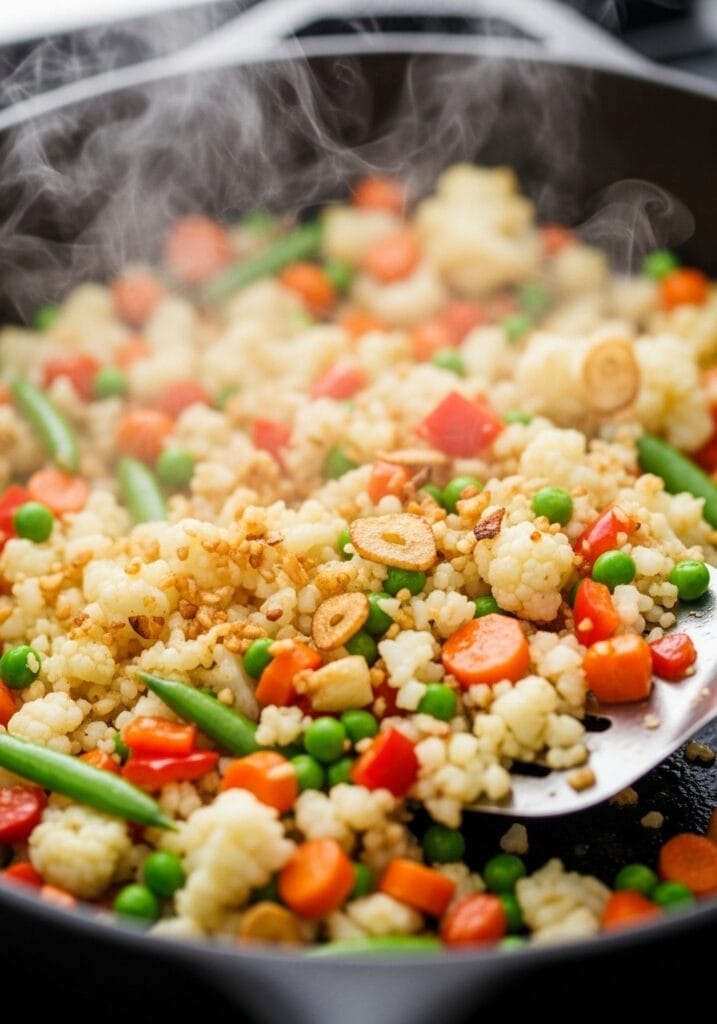
This recipe takes about 15 minutes from start to finish. You don’t need fancy cooking skills – just a good skillet and fresh ingredients. The taste? It’s savory, slightly nutty, with that perfect fried rice texture you crave. Plus, it’s naturally low in carbs and packed with vegetables, making it ideal for anyone watching their carb intake or just trying to eat more veggies.
Why You’ll Love This Cauliflower Fried Rice Recipe
Switching from regular rice to cauliflower might sound like a compromise, but honestly? This version stands on its own. The cauliflower absorbs all the seasonings beautifully and gets this slightly crispy edge when you fry it right. It’s lighter than traditional fried rice but still satisfying enough for a complete meal.
Tired of Deciding What to Cook Every Night?
I’ve put together a simple 7-day dinner meal plan using my most-loved recipes — complete with a grocery list and flexible swaps.
Just $2.99 – Instant Download
Get the Meal PlanI love that you can customize it endlessly. Add chicken, shrimp, tofu, or keep it vegetarian. Toss in whatever vegetables you have wilting in your fridge. It’s one of those recipes that forgives experimentation. If you’re into quick and easy meals like I am, this one deserves a permanent spot in your rotation.
The best part? You won’t feel that post-dinner food coma. This is the kind of meal that leaves you energized, not stuffed. My husband, who claims he needs “real rice” with everything, didn’t even notice the swap until I told him halfway through dinner.
Ingredients You’ll Need
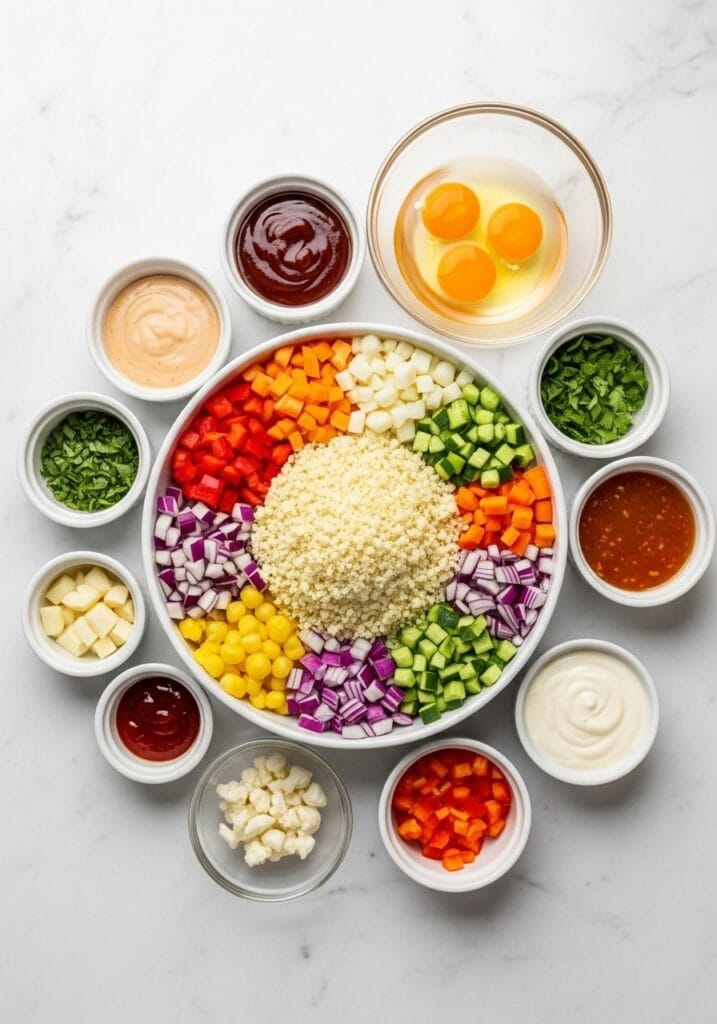
For the Cauliflower Rice:
- 1 medium head cauliflower (about 600g), riced (or 4 cups pre-riced cauliflower)
- 2 tablespoons sesame oil (or vegetable oil)
- 3 cloves garlic, minced (about 1 tablespoon)
- 1 tablespoon fresh ginger, minced
- 1/2 cup white onion, finely diced (about 75g)
For the Vegetables:
- 1/2 cup carrots, finely diced (about 65g)
- 1/2 cup frozen peas (about 75g)
- 1/2 cup bell pepper, diced (any color, about 75g)
- 2 green onions, sliced thin (both white and green parts)
For the Sauce:
- 3 tablespoons soy sauce (or tamari for gluten-free)
- 1 tablespoon oyster sauce (optional, but adds depth)
- 1 teaspoon rice vinegar
- 1/2 teaspoon sesame oil
- 1/4 teaspoon white pepper
For Finishing:
- 2 large eggs, beaten
- 1 tablespoon sesame seeds (optional)
- Fresh cilantro, chopped (optional)
- Sriracha or chili oil (optional, for heat)
Substitutions: No cauliflower? Try broccoli rice. Skip oyster sauce for vegetarian version. Coconut aminos work instead of soy sauce for paleo diets. Don’t have fresh ginger? Use 1/2 teaspoon ground ginger.
How to Make Low-Carb Cauliflower Fried Rice
Step 1: Prepare the Cauliflower Rice
- Cut cauliflower into florets, removing thick stems.
- Pulse florets in a food processor until they resemble rice grains (about 10-15 pulses).
- Don’t over-process or it becomes mushy.
- If using pre-riced cauliflower, skip to step 2.
Timing: 3-4 minutes | Visual cue: Pieces should be the size of rice grains, not powder.
Step 2: Remove Excess Moisture
- Spread riced cauliflower on a clean kitchen towel.
- Wrap and squeeze gently to remove moisture.
- This step prevents soggy fried rice.
- Set aside in a bowl.
Timing: 1-2 minutes | Why it matters: Dry cauliflower = crispy texture.
Step 3: Prep Your Vegetables
- Dice all vegetables into small, uniform pieces (about 1/4 inch).
- Keep carrots separate as they take longer to cook.
- Mix your sauce ingredients in a small bowl.
- Beat eggs in a separate bowl with a pinch of salt.
Timing: 3-4 minutes | Pro tip: Prep everything before you start cooking – this moves fast.
Step 4: Cook the Aromatics
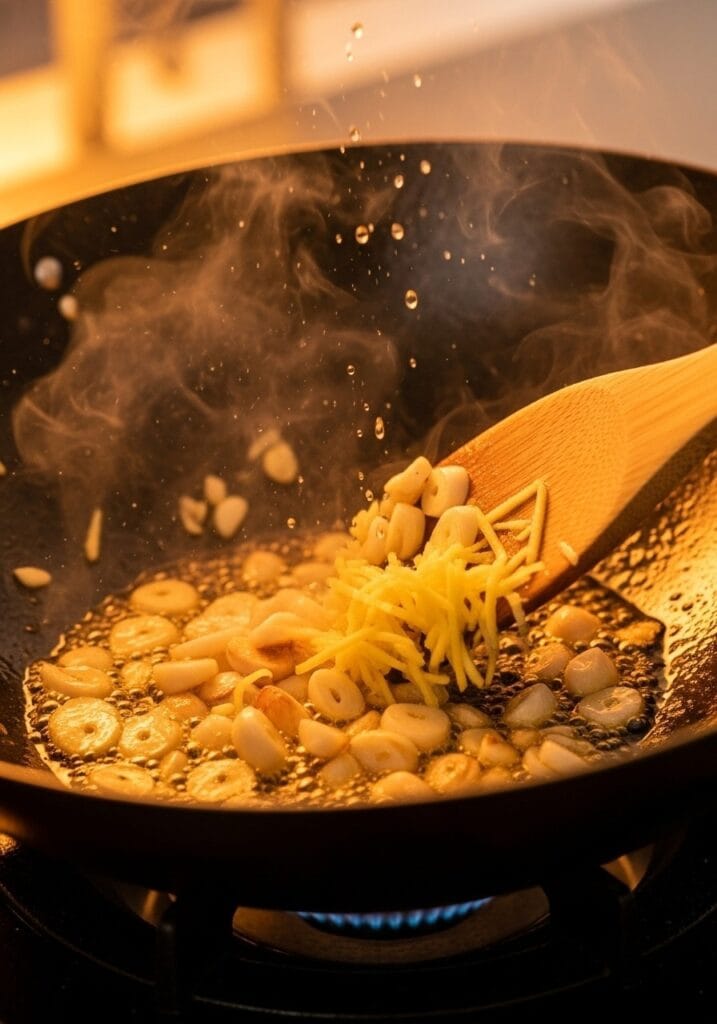
- Heat 1 tablespoon sesame oil in a large skillet or wok over medium-high heat.
- Add minced garlic and ginger, stirring constantly.
- Cook for 30 seconds until fragrant but not brown.
- Add diced onions and cook for 1 minute until softened.
Flame level: Medium-high | Visual cue: Garlic should sizzle but stay golden, not brown.
Step 5: Stir-Fry the Vegetables
- Add diced carrots first, stir-fry for 2 minutes.
- Add bell peppers and cook for 1 minute.
- Toss in frozen peas, stir for another minute.
- Push all vegetables to one side of the pan.
Flame level: Medium-high | Timing: 4 minutes total | Tip: Keep everything moving to prevent burning.
Step 6: Scramble the Eggs
- Add remaining tablespoon of oil to the empty side of the pan.
- Pour in beaten eggs.
- Let sit for 10 seconds, then scramble gently with a spatula.
- Break into small pieces and mix with vegetables.
Flame level: Medium-high | Visual cue: Eggs should be just set, slightly glossy.
Step 7: Add the Cauliflower Rice
- Add all the cauliflower rice to the pan.
- Spread it out evenly across the surface.
- Let it sit undisturbed for 2 minutes to get some color.
- Then stir-fry, breaking up any clumps.
Flame level: High | Timing: 5-6 minutes | Key step: Don’t stir constantly – let it crisp up.
Step 8: Season and Finish
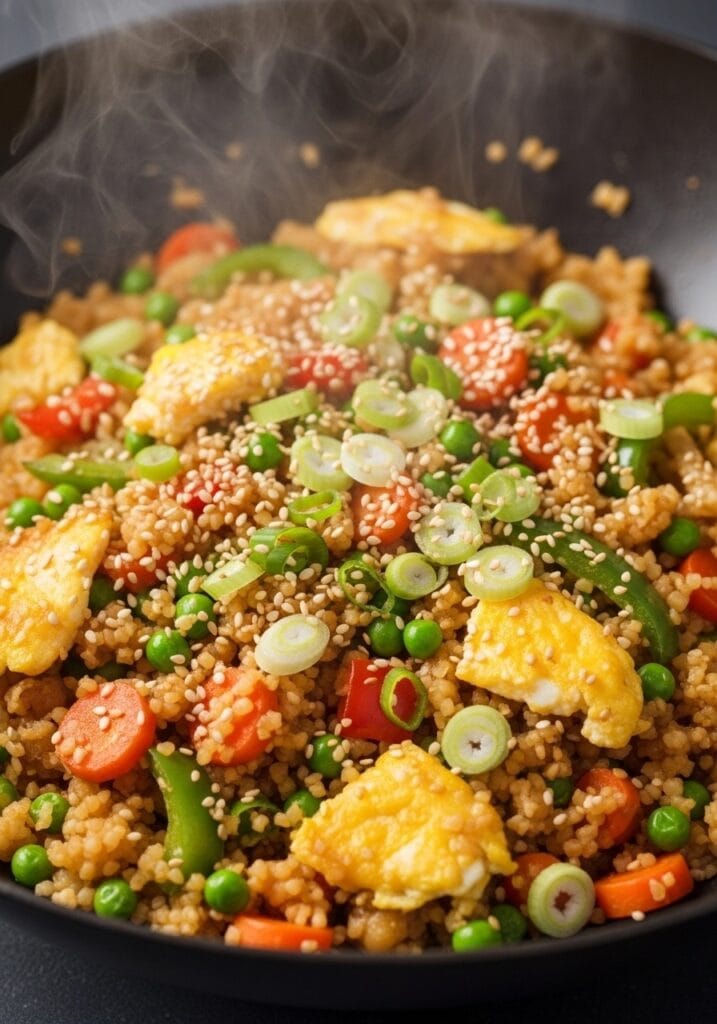
- Pour the sauce mixture over the cauliflower rice.
- Toss everything together until evenly coated.
- Stir-fry for 2 more minutes, allowing flavors to meld.
- Add sliced green onions and toss.
Flame level: High | Visual cue: Everything should be glossy and fragrant.
Step 9: Garnish and Serve
- Remove from heat immediately.
- Sprinkle with sesame seeds if using.
- Top with fresh cilantro.
- Serve hot with sriracha or chili oil on the side.
Timing: Immediate | Serving tip: Tastes best fresh and hot.
Recipe Information
Serving Size: 4 servings (about 1.5 cups each) Prep Time: 10 minutes Cook Time: 15 minutes Total Time: 25 minutes Difficulty Level: Easy (beginner-friendly) Equipment Needed: Large skillet or wok, food processor (for ricing cauliflower), cutting board, knife, bowls
Nutritional Information (per serving):
- Calories: 145
- Carbs: 12g (net carbs: 8g)
- Protein: 7g
- Fat: 9g
- Fiber: 4g
Tips for the Best Fried Cauliflower Rice
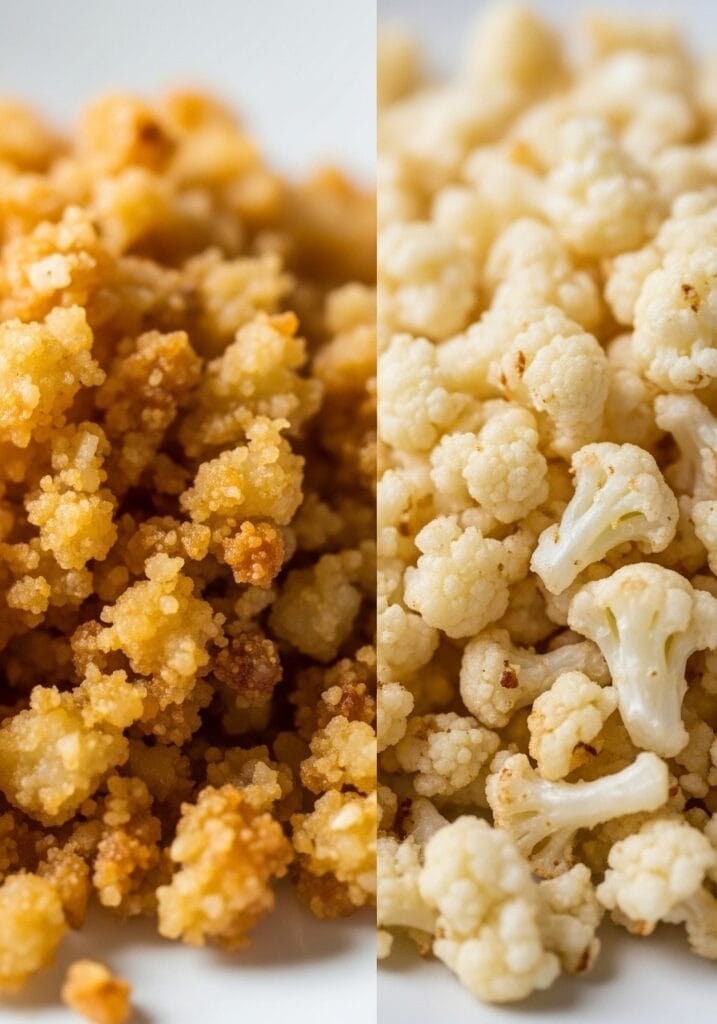
Getting the texture right is everything with this dish. The biggest mistake people make? Not removing enough moisture from the cauliflower. Wet cauliflower steams instead of fries, and you end up with mush. Always squeeze out that excess water.
Another trick – use high heat. Your pan should be hot enough that ingredients sizzle when they hit the surface. This creates that slightly charred, restaurant-style flavor you’re after. If your stove runs cool, work in batches so you don’t overcrowd the pan.
Don’t skip the step where you let the cauliflower sit undisturbed for a couple minutes. That’s when it develops those golden-brown bits that make this recipe special. I learned this from watching my local Chinese restaurant cook – they never constantly stir their fried rice.
For protein additions, cook them separately first. If you’re adding chicken, shrimp, or tofu, cook and set aside, then add back at the end. This prevents overcooking and keeps everything at the right texture.
Ways to Customize Your Cauliflower Fried Rice
This base recipe is just the beginning. I’ve made probably twenty variations by now. For a Thai twist, add fish sauce instead of oyster sauce and throw in some Thai basil at the end. The fragrance is incredible.
My favorite protein addition? Chopped bacon. Cook it first, remove, then use the bacon fat instead of sesame oil. Add the crispy bacon back at the end. It’s not exactly low-cal anymore, but it’s still low-carb and absolutely delicious.
You can also turn this into a healthy meal prep champion. Make a big batch on Sunday and portion it into containers. It reheats beautifully in a skillet with a splash of water. I wouldn’t recommend microwaving though – it gets a bit soggy.
For a spicier version, add sambal oelek or gochujang to the sauce. Start with a teaspoon and adjust from there. The fermented chili paste adds complexity beyond just heat.
Protein Add-In Ideas
For Chicken: Dice 2 chicken breasts into small cubes, season with salt and pepper, cook in 1 tablespoon oil for 5-6 minutes until golden. Set aside and add back at the end.
For Shrimp: Use 1 pound peeled, deveined shrimp. Cook for 2 minutes per side until pink. Remove and add back at the end. Check out more ideas in my garlic butter shrimp recipe.
For Tofu: Press 14 oz firm tofu for 15 minutes, cube, toss with cornstarch, and pan-fry until crispy. This method works great – similar to my air fryer crispy tofu nuggets.
For Beef: Thinly slice 8 oz flank steak, marinate in soy sauce for 10 minutes, cook over high heat for 2-3 minutes.
For Pork: Dice 8 oz pork tenderloin, season well, cook for 4-5 minutes until just cooked through.
Storage and Reheating Tips
Store leftovers in an airtight container in the fridge for up to 4 days. The texture changes slightly as it sits – the cauliflower absorbs more sauce and softens. Some people actually prefer it this way.
To reheat, use a skillet over medium heat with a tablespoon of water or oil. Stir frequently for 3-4 minutes until heated through. The pan method revives the texture much better than a microwave. I sometimes add a fresh egg and extra green onions when reheating to freshen it up.
Can you freeze it? Yes, but I’m not going to lie – the texture suffers. Cauliflower releases water when frozen and thawed. If you do freeze it, use within 2 months and expect a softer texture. Reheat in a very hot skillet to drive off excess moisture.
Common Mistakes and How to Avoid Them
The first time I made this, I skipped drying the cauliflower. Big mistake. It was basically cauliflower soup with vegetables. Now I’m almost obsessive about removing moisture – sometimes I even let the riced cauliflower sit in a strainer for 10 minutes before squeezing.
Another issue? Overcooking the eggs. They continue cooking from residual heat after you scramble them, so pull them off when they’re still slightly wet. Nobody wants rubbery egg bits in their fried rice.
Using low heat is also a problem. You need that high heat to get the slightly charred, caramelized flavor. Yes, it’s a bit smoky and your kitchen will smell like a Chinese restaurant (not a bad thing), but that’s part of the process.
Finally, don’t over-season. The soy sauce is salty, the oyster sauce is salty – it’s easy to overdo it. Start with the measurements I’ve listed and adjust from there. You can always add more, but you can’t take it back.
Why This Recipe Works for Low-Carb Diets
Regular fried rice can pack 45-50g of carbs per serving, mostly from white rice. This version? Only 12g total carbs, and with 4g of fiber, that’s just 8g net carbs. If you’re doing keto, this fits perfectly into your macros.

But it’s not just about the numbers. Cauliflower brings its own nutritional benefits – vitamin C, vitamin K, and compounds that support overall health. You’re not just removing carbs; you’re adding nutrients.
The protein from eggs keeps you satisfied longer than plain rice would. I’ve found I don’t get hungry again an hour later like I sometimes do with regular fried rice. It’s a more balanced meal overall.
For anyone managing blood sugar, this is a game-changer. No spike, no crash – just steady energy. My neighbor has diabetes and says this is one of the few rice substitutes he actually enjoys eating. If you’re looking for more options, my cauliflower rice taco bowls are another great choice.
Pairing Suggestions
This cauliflower fried rice works as a side dish or a main course. As a side, it pairs beautifully with lemon dill salmon or garlic butter salmon bites. The light, fresh flavors complement each other perfectly.
For a heartier meal, serve it alongside teriyaki chicken rice bowls – use the cauliflower rice as the base instead of regular rice. Or pair it with creamy garlic mushroom pork chops for a low-carb dinner that feels indulgent.
Want to keep it vegetarian? Add some crispy tofu on top and drizzle with extra sriracha. Or make it part of a bigger spread with other weeknight dinners options – it’s light enough that you can serve multiple dishes without feeling overstuffed.
Frequently Asked Questions
Can I use frozen cauliflower rice? Absolutely. Thaw it completely first, then squeeze out all the moisture using a kitchen towel. Frozen tends to have more water than fresh, so this step is even more important. The texture won’t be quite as good as fresh, but it’s still very tasty and saves time.
How do I prevent it from getting mushy? Three things: dry the cauliflower thoroughly, use high heat, and don’t overcrowd the pan. If your pan is too full, the cauliflower steams instead of fries. Work in batches if needed.
Can I make this ahead for meal prep? Yes, it reheats reasonably well for 3-4 days. The texture is best on day one, but it’s still good throughout the week. Just reheat in a skillet, not the microwave, for best results.
Is this recipe keto-friendly? Yes, with only 8g net carbs per serving, it fits well into most keto meal plans. To make it even more keto-friendly, add more fat – use extra sesame oil or top with avocado. For more keto options, try my keto salmon avocado bowls.
What if I don’t have a food processor? Use a box grater to rice the cauliflower. It takes a bit more elbow grease, but works perfectly. Or buy pre-riced cauliflower from the store – no shame in that shortcut.
Can I add pineapple like regular fried rice? You can, but it adds sugar and carbs. If you’re not worried about keeping it strictly low-carb, go for it. Fresh pineapple chunks add a nice sweet contrast. Just be aware each 1/2 cup adds about 10g of carbs.
Final Thoughts
This low-carb cauliflower fried rice has become one of those recipes I turn to when I want something quick, light, and satisfying. It’s proof that eating healthier doesn’t mean sacrificing flavor or spending hours in the kitchen.
The beauty of this recipe is its flexibility. Make it exactly as written, or treat it as a template and add your own spin. Either way, you’re getting a delicious meal that happens to be good for you too.If you try this recipe, I’d love to know how it turns out. Do you prefer it with chicken, shrimp, or kept vegetarian? And if you’re looking for more inspiration, explore other quick and easy meals on Tasty Dish Diary that’ll make your weeknight cooking easier and more delicious.
Still wondering what to cook tomorrow? Take the stress out of dinner with my simple 7-day meal plan.
Get the 7-Day Meal Plan for $2.99