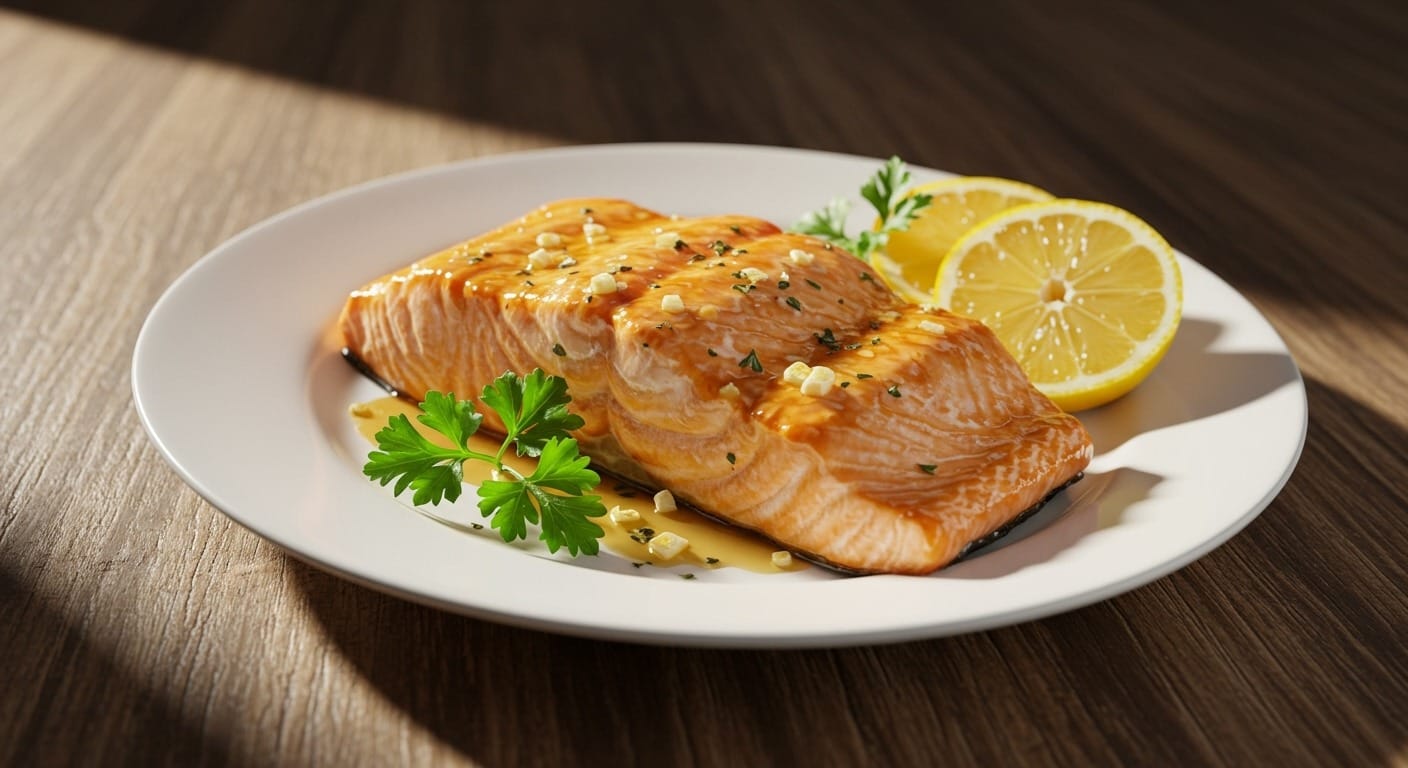

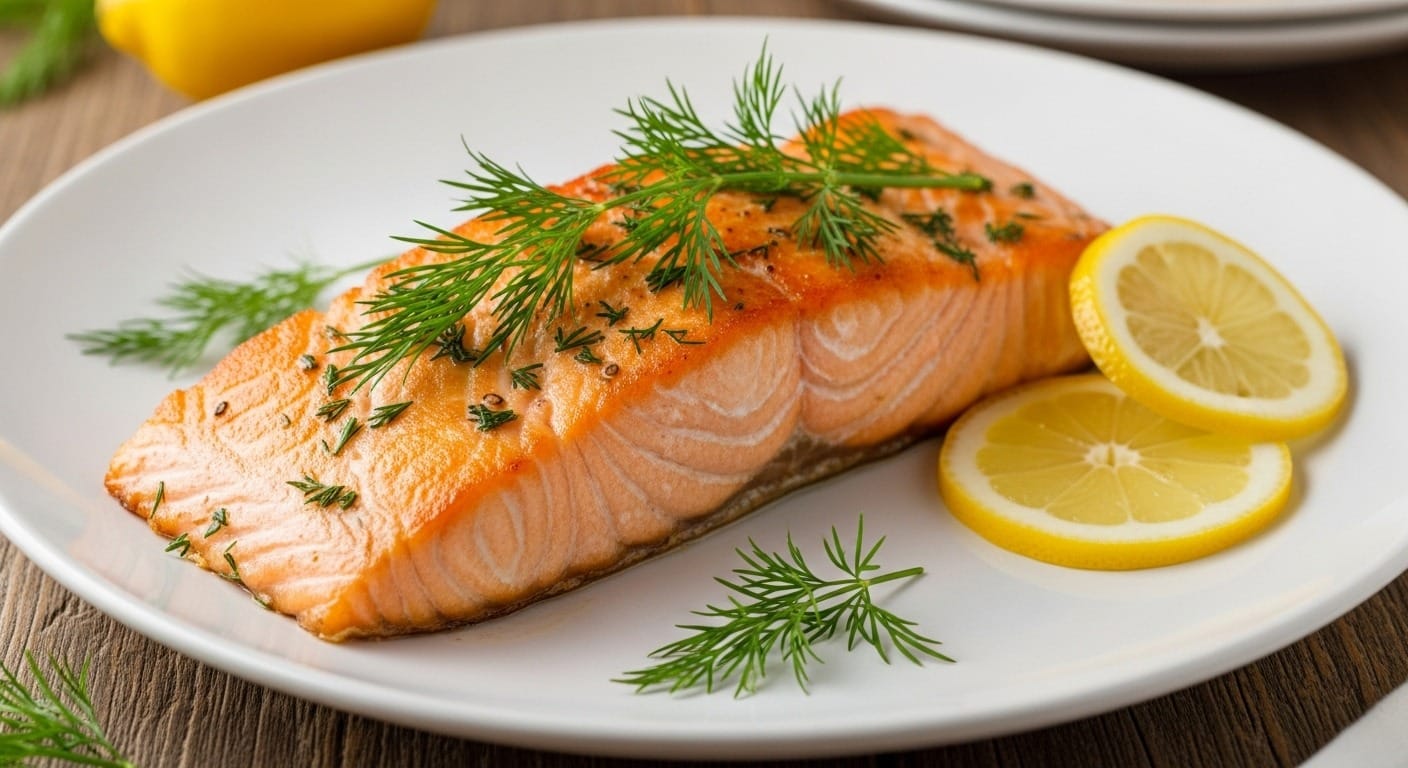
My mom used to make this every Friday night when I was growing up. She’d come home from work, tie her apron on, and have dinner ready before we even finished our homework. I never understood how she did it until I tried making lemon dill salmon myself. Turns out, some of the best meals don’t need fancy techniques or long ingredient lists. They just need good fish, a few bright flavors, and a little heat.
This recipe gives you restaurant-quality salmon without the stress. The lemon adds brightness, the dill brings freshness, and a quick pan sear locks in all the moisture. Whether you’re cooking for yourself on a Tuesday night or trying to impress someone over dinner, this works. It’s ready in under 20 minutes, and honestly, it tastes way more complicated than it actually is.
Why This Lemon Dill Salmon Works
I’ve made salmon a hundred different ways. Baked, grilled, poached, you name it. But this version keeps coming back into my rotation because it’s foolproof. The key is not overthinking it. Salmon is naturally rich and buttery, so you don’t need heavy sauces or complicated marinades. A simple lemon dill sauce for salmon is all it takes to let the fish shine.
Tired of Deciding What to Cook Every Night?
I’ve put together a simple 7-day dinner meal plan using my most-loved recipes — complete with a grocery list and flexible swaps.
Just $2.99 – Instant Download
Get the Meal PlanThe technique here is simple – sear it skin-side down first, let it crisp up, then flip and finish with a quick baste. The result? Crispy skin, tender flaky flesh, and a sauce that clings to every bite. If you’ve ever had dry, overcooked salmon before, this method will change your mind.
And let’s talk timing. This is one of those recipes that fits perfectly into weeknight dinners when you’re too tired to think but still want something nourishing. It pairs beautifully with roasted vegetables, rice, or even a simple salad.
Ingredients You’ll Need
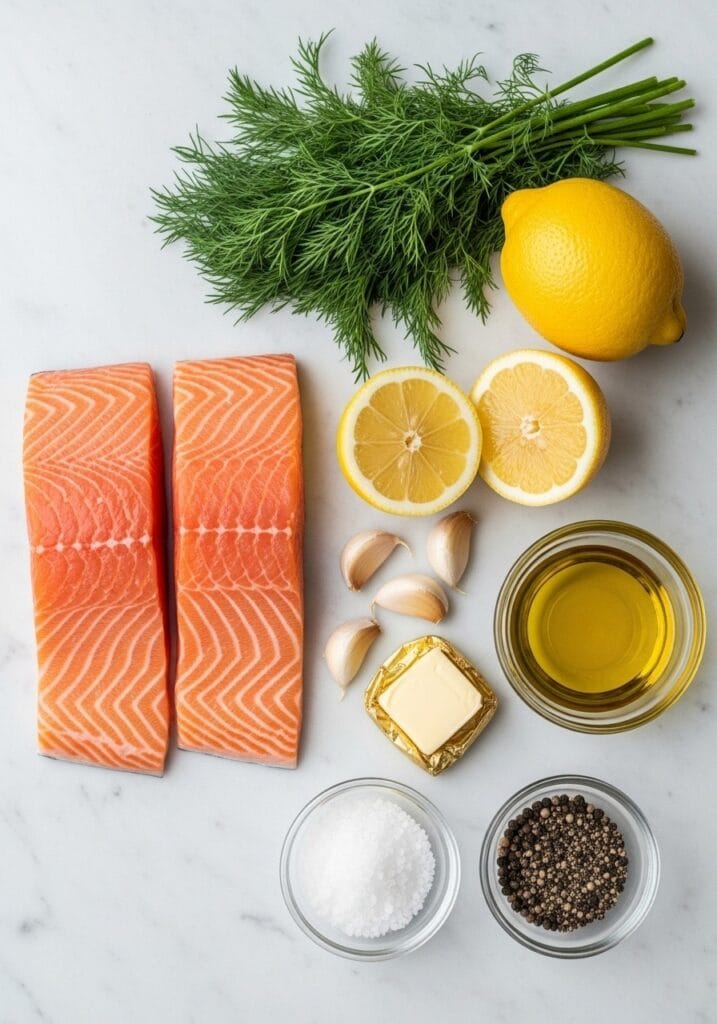
For the Salmon:
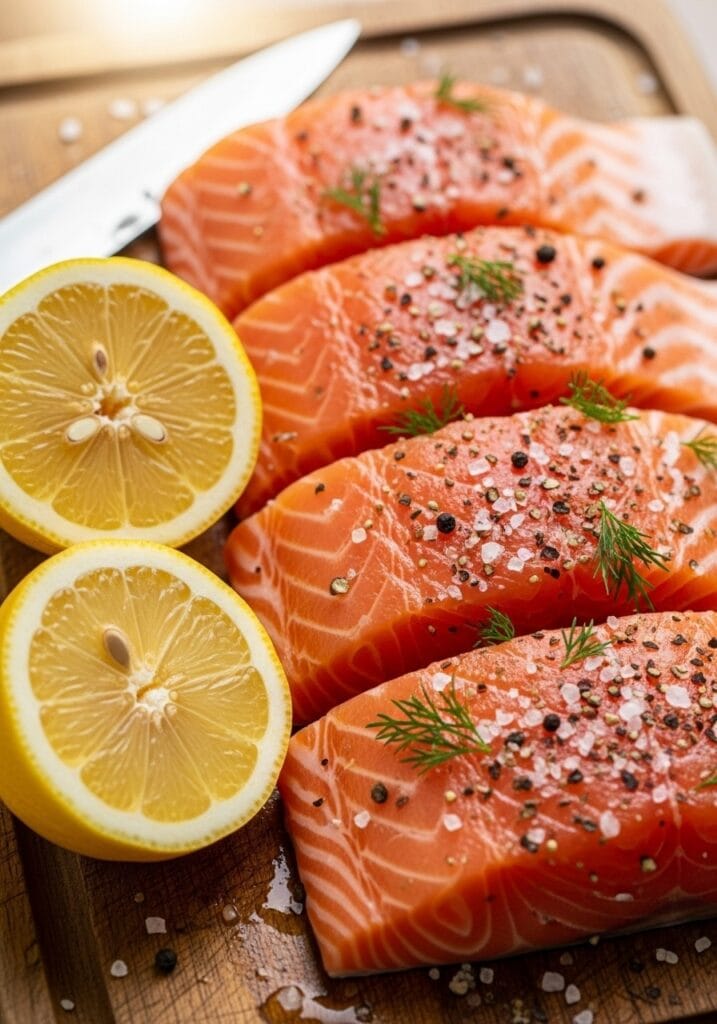
- 4 salmon fillets (about 150g each, skin-on preferred)
- 1 tsp sea salt
- ½ tsp black pepper
- 1 tbsp olive oil
- 1 tbsp unsalted butter
For the Lemon Dill Sauce:
- 2 tbsp unsalted butter
- 3 garlic cloves, minced
- Juice of 1 large lemon (about 3 tbsp)
- Zest of 1 lemon
- 2 tbsp fresh dill, chopped (or 1 tsp dried dill)
- ¼ cup chicken or vegetable broth
- Salt and pepper to taste
Substitutions: If you don’t have fresh dill, dried works fine – just use less. No broth? Water with a pinch of bouillon will do. And if you’re avoiding dairy, swap the butter for ghee or extra olive oil.
Step-By-Step Instructions
Step 1: Prep the Salmon
Pat the salmon fillets dry with paper towels. This step is important – moisture prevents that crispy skin everyone loves. Season both sides generously with salt and black pepper. Let them sit at room temperature for about 5 minutes while you prep the rest.
Step 2: Heat the Pan
Place a large skillet over medium-high heat. Add the olive oil and let it heat until it shimmers, about 1-2 minutes. You want the pan hot enough that the fish sizzles when it hits the surface.
Step 3: Sear the Salmon
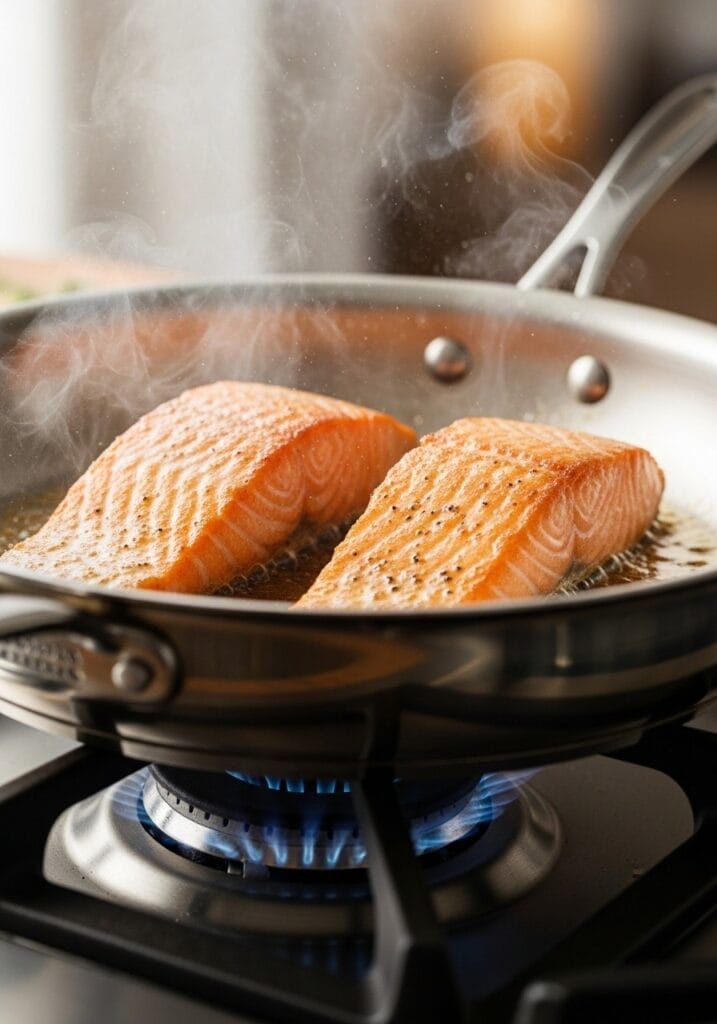
Carefully place the salmon fillets skin-side down in the pan. Press them gently with a spatula for the first 10 seconds to ensure even contact. Cook without moving them for 4-5 minutes. You’ll see the edges start to turn opaque and the skin will crisp up. Don’t rush this part.
Step 4: Flip and Add Butter
Flip the fillets carefully. Add the butter to the pan and let it melt around the fish. Tilt the pan slightly and use a spoon to baste the salmon with the melted butter. Cook for another 2-3 minutes until the salmon reaches your preferred doneness. For medium, aim for an internal temperature of 125°F. For well-done, go to 145°F.
Step 5: Remove and Rest
Transfer the salmon to a plate and tent loosely with foil. Let it rest while you make the sauce. This keeps it juicy.
Step 6: Make the Lemon Dill Sauce
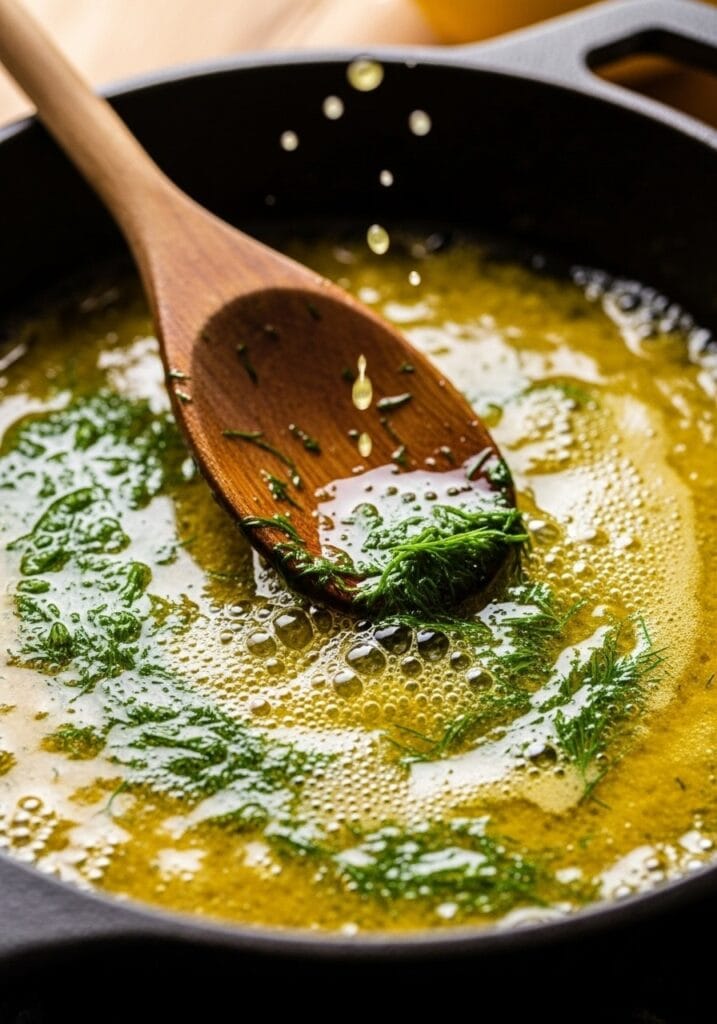
In the same skillet (don’t wipe it out – those browned bits add flavor), reduce the heat to medium. Add the butter and garlic. Sauté for 30 seconds until fragrant. Pour in the lemon juice, zest, and broth. Stir and let it simmer for 1-2 minutes until slightly reduced. Stir in the fresh dill. Taste and adjust salt and pepper.
Step 7: Plate and Serve
Place each salmon fillet on a plate. Spoon the lemon dill sauce generously over the top. Garnish with extra dill sprigs and lemon slices if you like. Serve immediately.
Tips for Perfect Salmon Every Time
Don’t skip drying the fish. Wet fish = steamed fish, not seared fish. Use a hot pan. If the fish doesn’t sizzle, the pan isn’t ready. Watch the cook time. Salmon continues cooking after you take it off the heat, so pull it a minute early if you like it medium-rare.
I used to overcook salmon all the time because I was afraid of underdoing it. But here’s the thing – slightly undercooked salmon is tender and silky. Overcooked salmon is dry and chalky. Aim for that sweet spot where the center is just barely opaque.
If you’re looking for more healthy meal ideas that don’t compromise on flavor, this salmon checks all the boxes. High in protein, rich in omega-3s, and low in carbs. You could easily pair this with quinoa chickpea buddha bowls for a complete, balanced dinner.
What to Serve With Lemon Dill Salmon
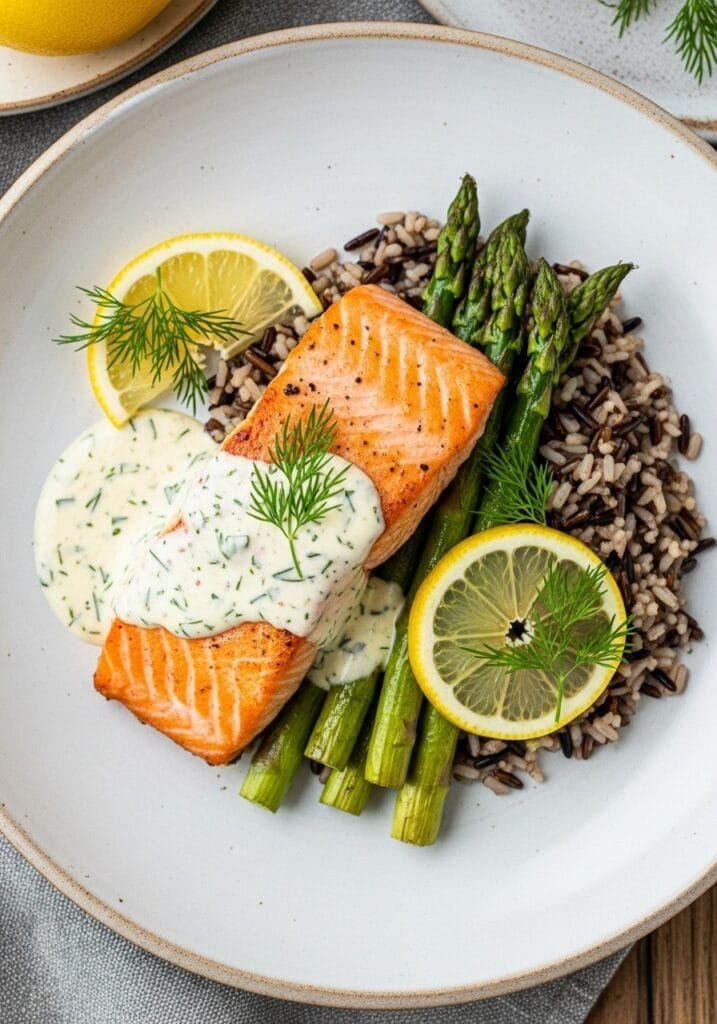
This salmon is versatile. I’ve served it with everything from mashed potatoes to zucchini noodles, and it always works. Here are some of my favorite pairings:
Roasted Vegetables: Asparagus, broccoli, or Brussels sprouts roasted with olive oil and garlic complement the lightness of the fish.
Rice or Quinoa: A simple side of jasmine rice or fluffy quinoa soaks up that lemon dill sauce beautifully.
Salad: A crisp green salad with a lemon vinaigrette ties everything together. Try pairing it with a Mediterranean chickpea salad for extra freshness.
Pasta: If you’re feeling indulgent, toss some angel hair pasta in the leftover sauce and serve it alongside the salmon.
Sometimes I’ll make a double batch of the sauce and use it on other proteins throughout the week. It’s fantastic on grilled lemon herb tilapia or even drizzled over steamed veggies.
Why Lemon and Dill Pair So Well With Salmon
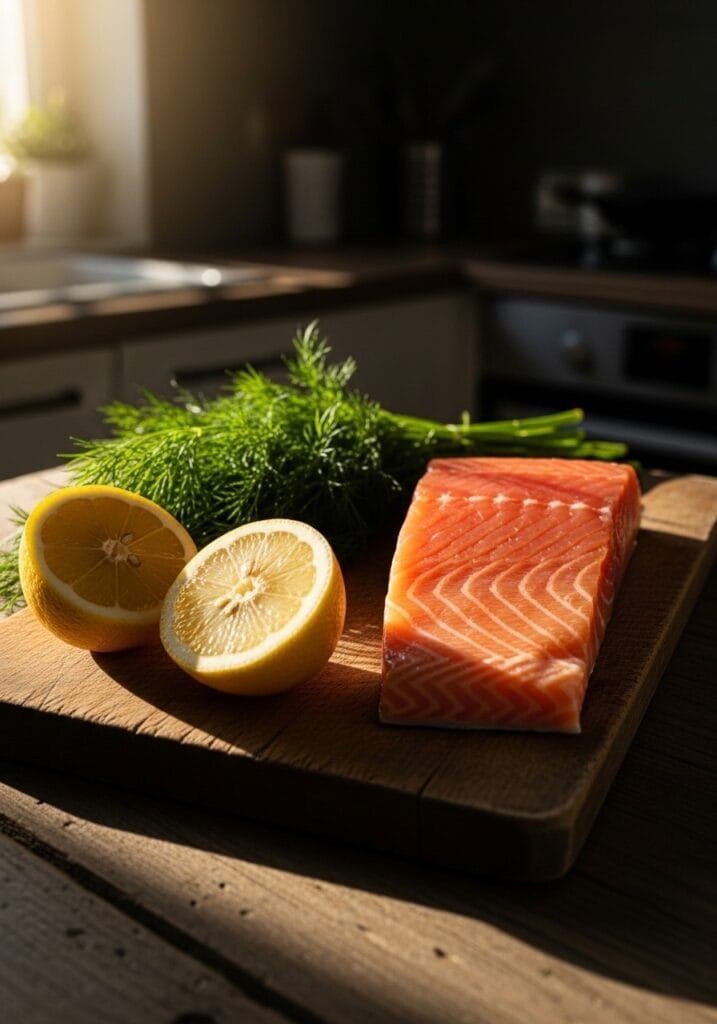
There’s a reason this combination shows up on restaurant menus everywhere. Lemon cuts through the richness of the salmon, while dill adds a subtle herbal note that doesn’t overpower the fish. Together, they create balance.
Salmon has a higher fat content than most white fish, which is what makes it so satisfying. But that richness can feel heavy if you don’t have something bright to offset it. That’s where the lemon comes in. The acidity lifts the dish and makes each bite feel lighter. Dill, on the other hand, has this almost grassy, slightly sweet flavor that just works with seafood.
If you’ve ever tried baked honey garlic salmon, you’ll notice how different flavor profiles can completely change the vibe of the dish. Honey garlic is sweet and sticky. Lemon dill is fresh and clean. Both are delicious, just in different ways.
How to Store and Reheat Leftovers
Leftover salmon keeps well in the fridge for up to 3 days. Store it in an airtight container with a little extra sauce poured over to keep it moist. When you’re ready to eat it, reheat gently in a skillet over low heat for 2-3 minutes. You can also enjoy it cold – flake it over a salad or toss it with pasta for a quick lunch.
I don’t recommend freezing cooked salmon because the texture changes once it thaws. If you know you won’t finish it within a few days, freeze the raw fillets instead. Wrap them tightly in plastic wrap and foil, and they’ll last up to 3 months.
Common Mistakes to Avoid
Cooking Cold Salmon: Room temperature fish cooks more evenly. Take it out of the fridge 15 minutes before cooking.
Using Low Heat: A hot pan is essential for that crispy skin. Medium-high heat is your friend.
Overcrowding the Pan: Give each fillet space. Crowding drops the pan temperature and leads to steaming instead of searing.
Skipping the Rest: Let the fish rest for a minute or two after cooking. It redistributes the juices and keeps everything tender.
I learned most of these the hard way. The first time I made this, I threw cold salmon into a lukewarm pan and wondered why it stuck and fell apart. Live and learn, right?
If you’re new to cooking fish, don’t stress. Start with this recipe. It’s forgiving, quick, and honestly hard to mess up once you get the hang of the timing. And if you’re looking for even more quick easy meals to add to your rotation, this one should be at the top of your list.
Nutritional Information (Per Serving)
- Calories: 320
- Protein: 34g
- Fat: 18g
- Carbohydrates: 3g
- Fiber: 0g
- Sugar: 1g
Salmon is one of those ingredients that feels indulgent but is actually packed with nutrients. It’s loaded with omega-3 fatty acids, which are great for heart health, and it’s a solid source of lean protein. This recipe doesn’t add unnecessary calories – just clean, simple flavors that let the fish do the talking.
Final Thoughts
This lemon dill salmon baked (or pan-seared, depending on your preference) is one of those recipes that feels special but doesn’t require much effort. It’s light, flavorful, and ready faster than most takeout orders. Whether you’re cooking for one or feeding a family, it scales easily and always delivers.
The sauce is the star here. That buttery, garlicky, lemony goodness with fresh dill makes every bite feel restaurant-quality. And the best part? You probably already have most of these ingredients at home.
If you’re someone who thinks they don’t like salmon, I’d encourage you to try this version. Sometimes it’s just about finding the right preparation. This one is mild, not fishy, and the crispy skin adds texture that makes it so much more interesting than your average baked fillet.
Next time you’re wondering what to make for dinner, give this a shot. It’s become one of my go-to recipes when I want something nourishing but don’t have a lot of time. And honestly? It never gets old.
Recipe Card
Lemon Dill Salmon
Prep Time: 5 minutes
Cook Time: 12 minutes
Total Time: 17 minutes
Servings: 4
Difficulty Level: Easy
Equipment Needed: Large skillet, spatula, measuring spoons
Ingredients:
- 4 salmon fillets (150g each, skin-on)
- 1 tsp sea salt
- ½ tsp black pepper
- 1 tbsp olive oil
- 3 tbsp unsalted butter (divided)
- 3 garlic cloves, minced
- Juice and zest of 1 lemon
- 2 tbsp fresh dill, chopped
- ¼ cup broth
Instructions:
- Pat salmon dry and season with salt and pepper.
- Heat olive oil in a skillet over medium-high heat.
- Sear salmon skin-side down for 4-5 minutes until crispy.
- Flip, add 1 tbsp butter, and baste for 2-3 minutes.
- Remove salmon and set aside.
- Add remaining butter and garlic to the pan, sauté 30 seconds.
- Add lemon juice, zest, and broth. Simmer 1-2 minutes.
- Stir in dill, adjust seasoning.
- Pour sauce over salmon and serve immediately.
Pro Tip: For salmon with lemon dill sauce that tastes even better, let the sauce reduce an extra minute to concentrate the flavors.This recipe works beautifully alongside dishes like sheet pan salmon and veggies if you want to batch cook for the week, or keep it simple and pair it with a side from your weeknight dinners rotation.
Still wondering what to cook tomorrow? Take the stress out of dinner with my simple 7-day meal plan.
Get the 7-Day Meal Plan for $2.99