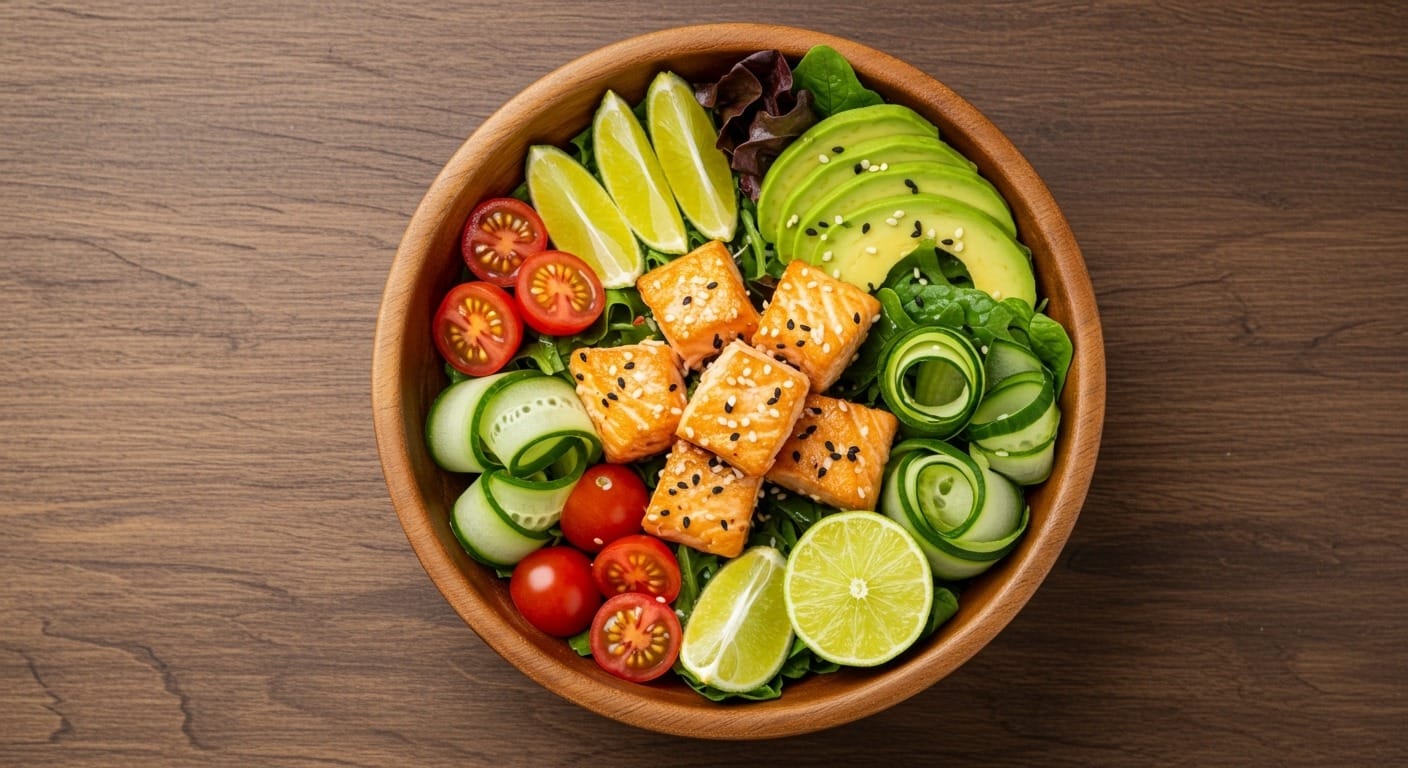

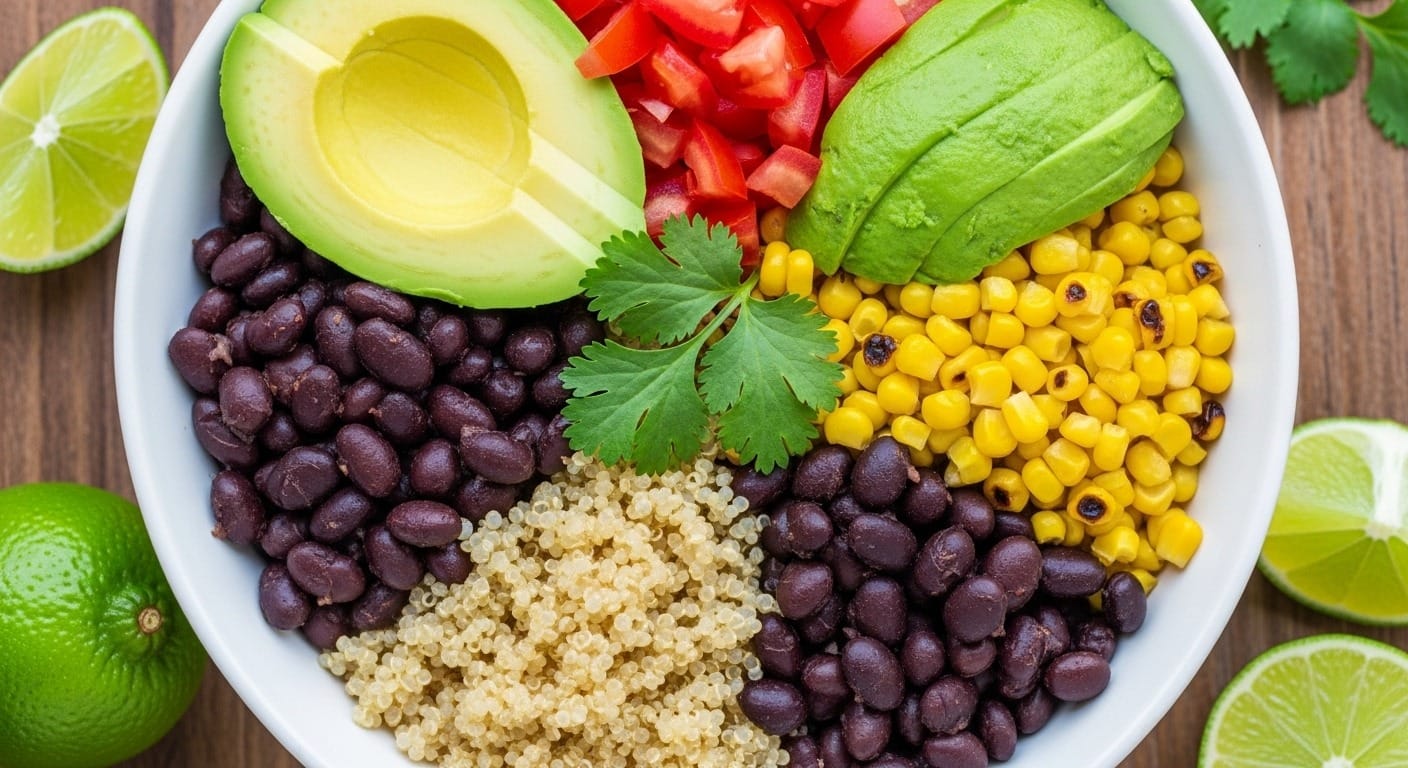
My roommate in college used to survive on boring salads during exam week, claiming she needed “healthy food” to study better. Then I made her this burrito bowl one stressed-out Tuesday night. She looked at me like I’d just solved world hunger. “Wait, this has more protein than my sad chicken salad?”
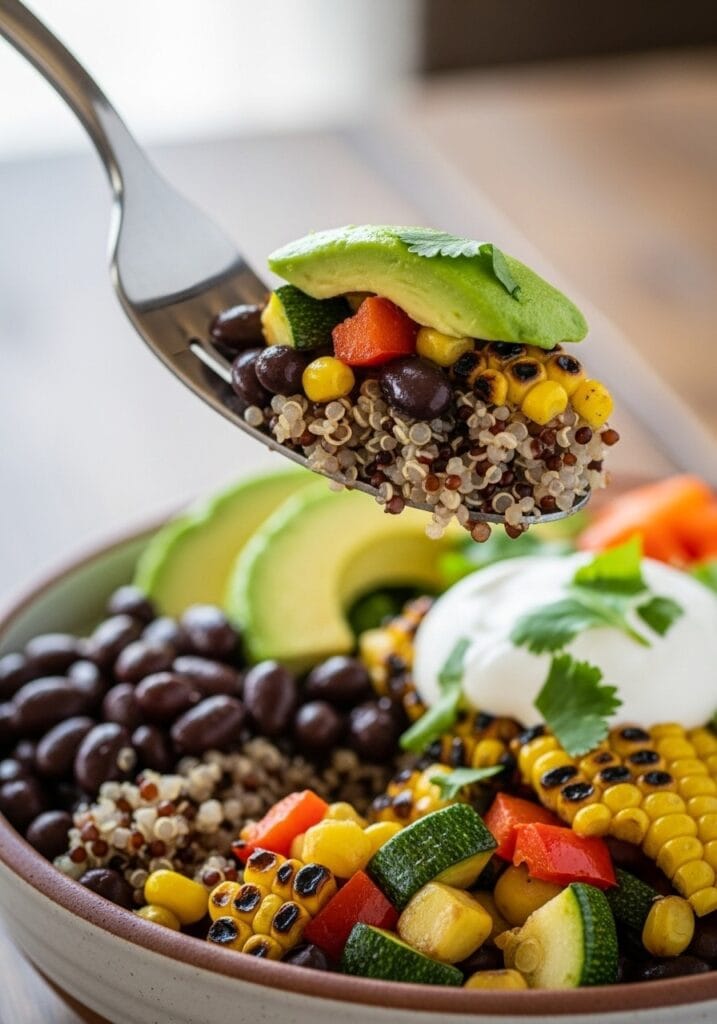
That’s exactly what makes this high-protein veggie burrito bowl different from your typical lunch bowl. You’re getting 25 grams of protein without any meat, and it actually keeps you full for hours. The combination of black beans and quinoa creates a complete protein, while roasted vegetables add that satisfying char you’d normally get from grilled chicken.
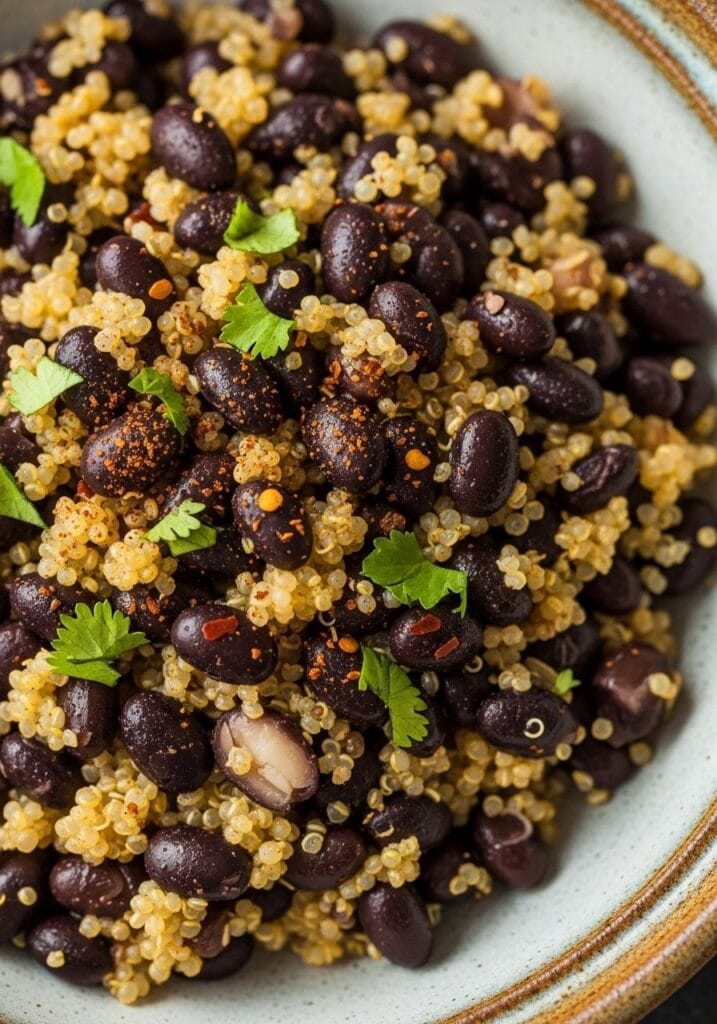
This veggie burrito bowl recipe takes about 30 minutes start to finish, requires basic cooking skills, and delivers that bold, slightly spicy flavor you crave from your favorite burrito spot. Unlike those restaurant versions drowning in cheese and sour cream, this one lets you actually taste the ingredients while still feeling indulgent.
Tired of Deciding What to Cook Every Night?
I’ve put together a simple 7-day dinner meal plan using my most-loved recipes — complete with a grocery list and flexible swaps.
Just $2.99 – Instant Download
Get the Meal PlanWhy This Veggie Burrito Bowl Works
The secret isn’t just throwing vegetables in a bowl and calling it healthy. I learned this the hard way after making watery, bland versions for weeks. The key is building layers of flavor and making sure each component can stand on its own.
First, you’re seasoning the black beans with cumin, chili powder, and garlic until they taste like they came from a taqueria. The quinoa gets cooked in vegetable broth instead of water, which adds depth most recipes skip. Then you’re roasting the corn and peppers until they get those caramelized edges that make everything taste better.
The texture contrast matters too. You’ve got creamy avocado against crunchy cabbage, soft beans against firm quinoa. This isn’t mushy or one-note, it’s actually interesting to eat.
For anyone worried about getting enough protein on a plant-based diet, this bowl proves you don’t need to rely on protein powder or fake meat products. Black beans alone give you 15 grams per cup, quinoa adds another 8 grams, and even the pepitas (pumpkin seeds) sprinkled on top contribute a few more.
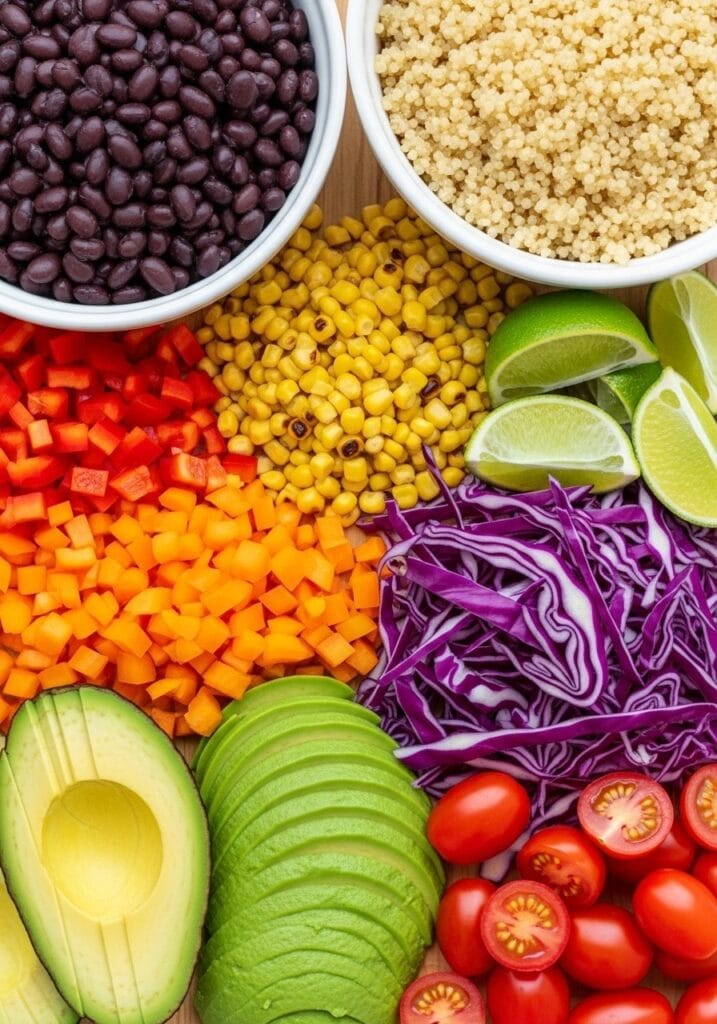
This recipe has saved me on those nights when I want something that feels like takeout but won’t make me crash an hour later. It’s also become my go-to healthy meal prep option because each component stores well separately and you can mix and match throughout the week.
Ingredients You’ll Need
For the Seasoned Black Beans
- 2 cans (15 oz each) black beans, drained and rinsed (or 3 cups cooked black beans)
- 1 tablespoon olive oil
- 2 cloves garlic, minced
- 1 teaspoon ground cumin
- 1 teaspoon chili powder
- 1/2 teaspoon smoked paprika
- 1/4 teaspoon salt
- 1/4 cup vegetable broth or water
For the Quinoa Base
- 1 cup uncooked quinoa (white, red, or tri-color)
- 2 cups vegetable broth
- 1/2 teaspoon salt
- 1 tablespoon lime juice
Substitute: Can use brown rice or cauliflower rice, though protein content will differ.
For the Roasted Vegetables
- 1 cup corn kernels (fresh or frozen)
- 1 red bell pepper, diced
- 1 poblano pepper, diced (optional for mild heat)
- 1 tablespoon olive oil
- 1/2 teaspoon cumin
- Salt and pepper to taste
Substitute: Use any color bell pepper if poblano isn’t available.
For Assembly and Toppings
- 2 cups shredded red cabbage
- 1 cup cherry tomatoes, halved
- 2 ripe avocados, sliced
- 1/4 cup fresh cilantro, chopped
- 1/4 cup pepitas (pumpkin seeds)
- 2 limes, cut into wedges
- Hot sauce (optional)
- Plain Greek yogurt or sour cream (optional)
Substitute: Use romaine lettuce instead of cabbage for a milder crunch.
Step-by-Step Instructions
Step 1: Cook the Quinoa
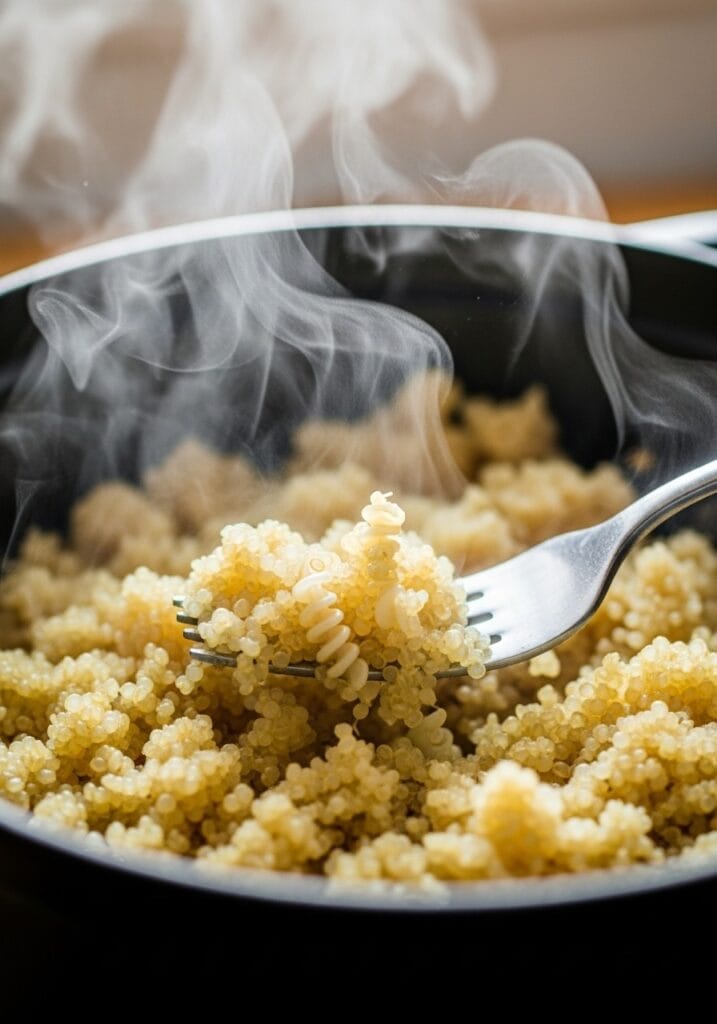
Rinse the quinoa under cold water in a fine-mesh strainer for 30 seconds to remove bitterness. Combine quinoa, vegetable broth, and salt in a medium saucepan. Bring to a boil over high heat, then reduce to low, cover, and simmer for 15 minutes. Remove from heat and let sit covered for 5 minutes. Fluff with a fork and stir in lime juice. This should yield about 3 cups cooked quinoa.
Step 2: Prepare the Seasoned Black Beans
Heat olive oil in a medium skillet over medium heat. Add minced garlic and cook for 30 seconds until fragrant, stirring constantly so it doesn’t burn. Add the drained black beans, cumin, chili powder, smoked paprika, and salt. Stir to coat the beans evenly. Pour in the vegetable broth and simmer for 8-10 minutes, stirring occasionally, until the liquid reduces and the beans are heated through. Mash about 1/4 of the beans with the back of a spoon to create a creamier texture.
Step 3: Roast the Vegetables
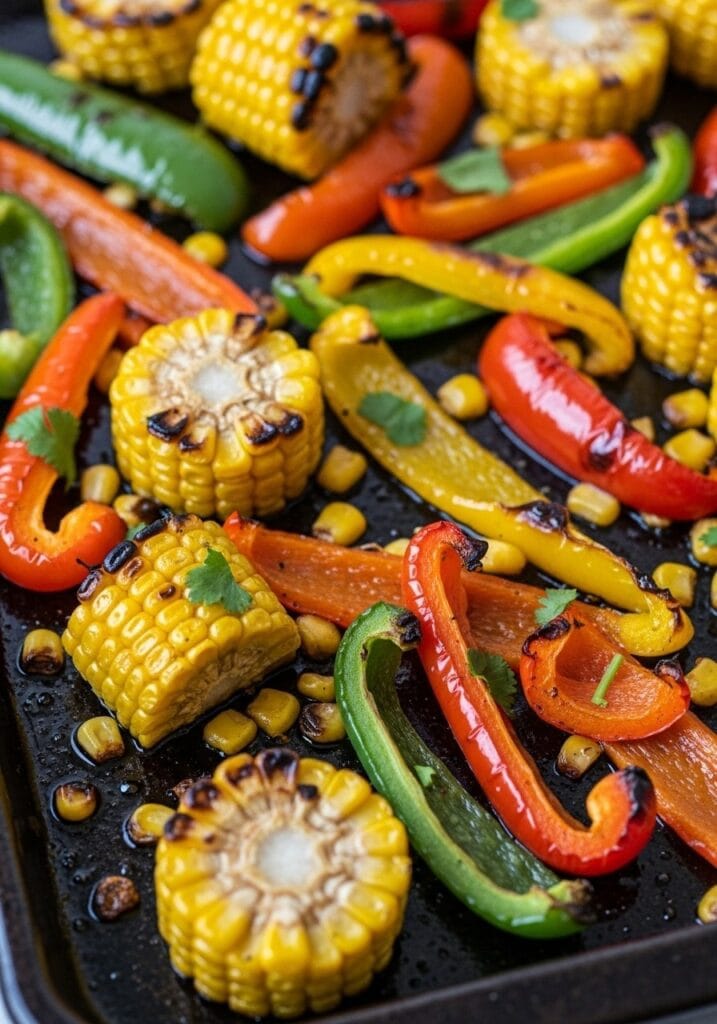
Preheat your oven to 425°F (220°C) or heat a large skillet over medium-high heat. Toss corn, diced bell pepper, and poblano pepper with olive oil, cumin, salt, and pepper. Spread on a baking sheet in a single layer and roast for 12-15 minutes, stirring halfway through, until vegetables are lightly charred. If using a skillet, cook for 8-10 minutes, stirring frequently, until vegetables develop golden spots.
Step 4: Prep the Fresh Toppings
While the vegetables roast, prepare your toppings. Shred the red cabbage thinly using a sharp knife or mandoline. Halve the cherry tomatoes. Slice the avocados just before serving to prevent browning. Chop the cilantro roughly. Toast the pepitas in a dry skillet over medium heat for 3-4 minutes, shaking the pan frequently, until they puff up and smell nutty.
Step 5: Assemble Your Bowl
Start with a base of quinoa (about 3/4 cup per bowl). Add a generous scoop of seasoned black beans next to it. Arrange the roasted vegetables, shredded cabbage, cherry tomatoes, and avocado slices in sections around the bowl. This makes it look prettier and lets people mix what they want. Sprinkle toasted pepitas and fresh cilantro over everything. Serve with lime wedges on the side and hot sauce if desired.
Tips for the Perfect Veggie Burrito Bowl Recipe
Don’t skip rinsing the quinoa. I know it seems fussy, but quinoa has a natural coating called saponin that makes it taste bitter and soapy if you don’t rinse it off. Just 30 seconds under running water fixes this completely.
The beans taste better when you mash some of them. It creates this creamy sauce that coats the other beans and helps everything stick together. My friend who hates “mushy food” didn’t even notice when I did this, so don’t worry about it getting weird.
Roasting the vegetables makes a huge difference compared to using them raw or just warmed up. That charred flavor adds a smoky depth you can’t get any other way. If you’re short on time, you can skip this step, but the bowl won’t taste nearly as good.
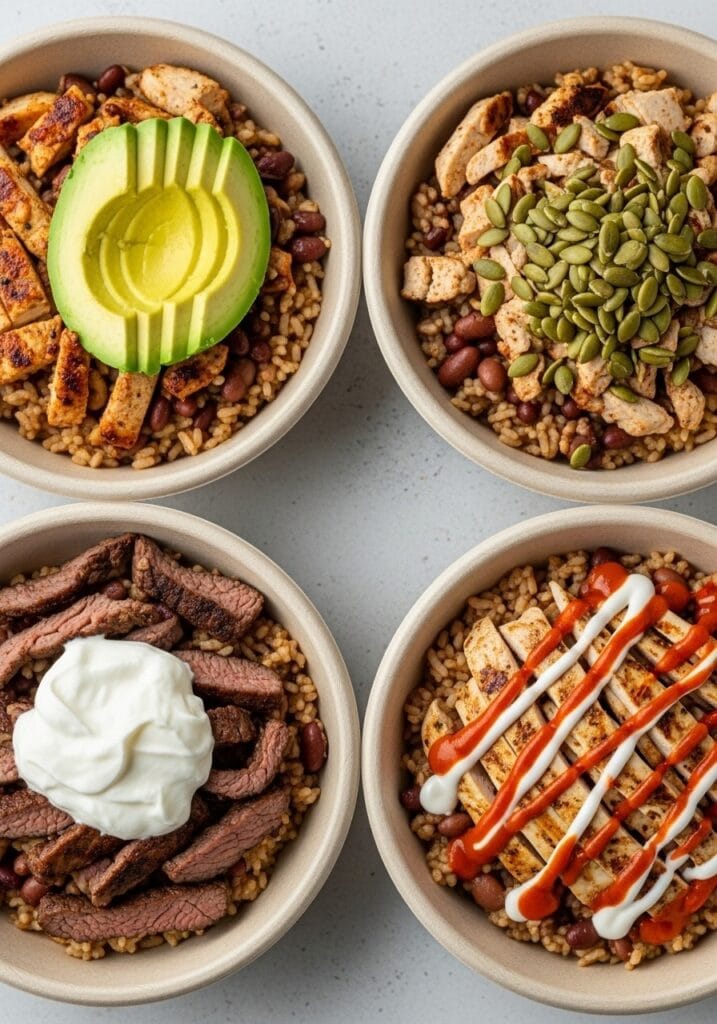
Assemble the bowls right before eating if possible. The warm quinoa and beans will wilt the cabbage and make the avocado brown if everything sits together too long. If you’re meal prepping, store components separately and combine when you’re ready to eat.
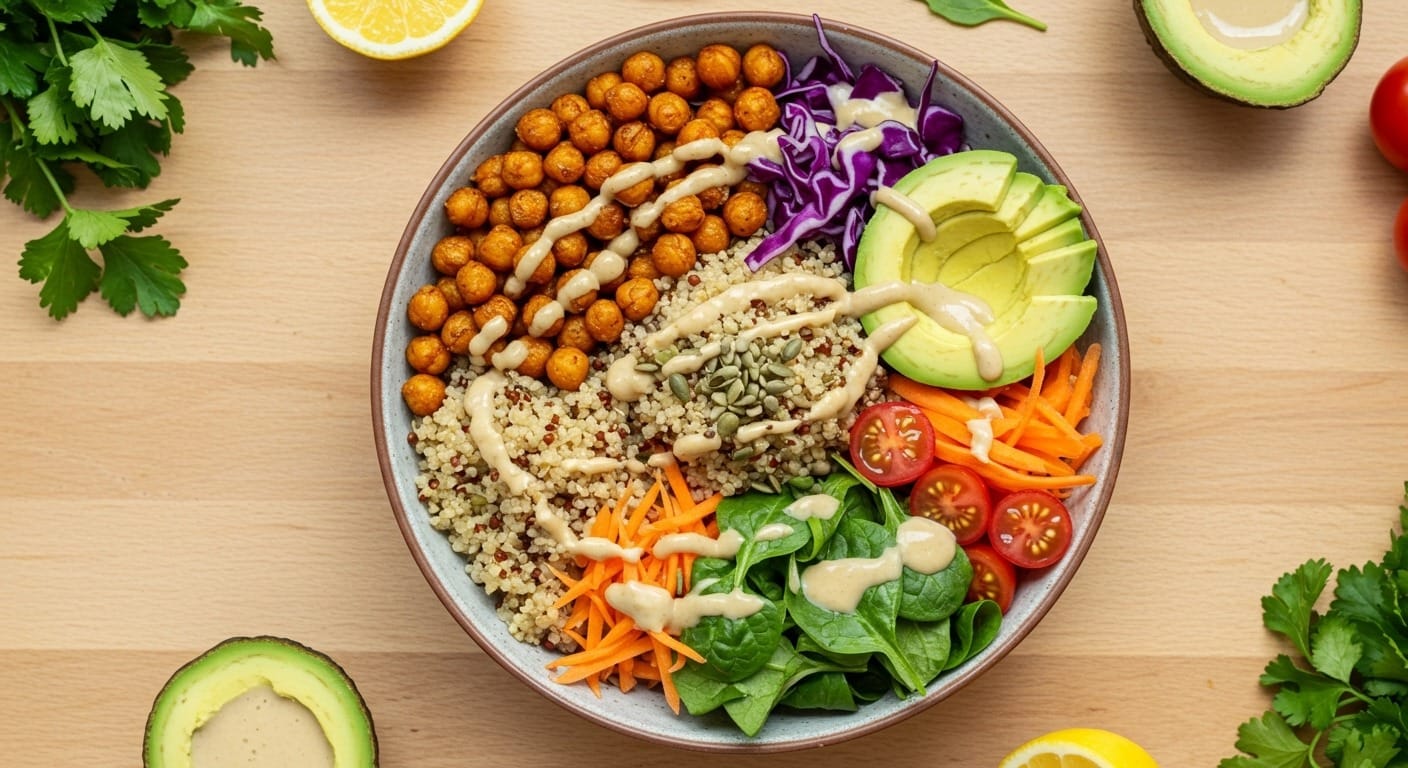
Similar to how I approach my quinoa chickpea buddha bowls, keeping ingredients separate until serving ensures everything stays fresh and maintains its texture.
Add the lime juice at the end. Squeezing fresh lime over the finished bowl brightens all the flavors and ties everything together. Don’t just stir lime into the quinoa and call it done, you want that fresh citrus hit right before you eat.
Customization Ideas
This healthy veggie burrito bowl is pretty flexible once you understand the basic formula. The protein comes from the beans and quinoa, so those should stay. Everything else can change based on what you have or what sounds good.
Swap the black beans for pinto beans or refried beans if that’s what you prefer. The protein content is similar and the flavor works just as well. I’ve also used a combination of both, which adds more texture variety.
Try different grain bases. Brown rice adds a nuttier flavor and chewier texture. Farro gives you more of a Mediterranean feel. Cauliflower rice works if you want to cut carbs, though you’ll lose some protein from the quinoa.
Switch up the roasted vegetables based on the season. Zucchini, mushrooms, or sweet potato all work great with these same seasonings. In summer, I sometimes skip roasting altogether and just use fresh tomatoes, cucumber, and raw corn.
The toppings are where you can really make this your own. Add pickled jalapeños for heat, swap cilantro for green onions if you’re in the cilantro-tastes-like-soap camp, or throw on some crumbled queso fresco for extra richness.
Want it spicier? Mix chipotle powder into the beans or add diced jalapeños to the roasted vegetables. Need more protein? Add a fried egg on top or mix in some hemp seeds with the pepitas.
How to Store and Meal Prep
This is one of those recipes that actually gets better after a day in the fridge because the seasonings have more time to develop. Just don’t assemble everything at once if you’re making it ahead.
Store the quinoa and black beans together in one container for up to 5 days. They’ll keep each other moist and the flavors blend nicely. The roasted vegetables can go in a separate container for the same time period.
Keep the avocado separate and slice it fresh each day. I learned this lesson after opening a container of brown, mushy avocado on day three. If you absolutely must prep it ahead, toss the slices in lime juice and store them in an airtight container with plastic wrap pressed directly against the avocado surface.
The cabbage and tomatoes stay fresh in their own container for up to 4 days. Don’t dress them or add salt until you’re ready to eat, or they’ll release water and get soggy.
When you’re ready to eat, reheat the quinoa and beans together in the microwave for 90 seconds. You can eat the roasted vegetables cold or warm them up quickly. Assemble with your fresh toppings and you’ve got lunch ready in 2 minutes.
This works great for quick easy meals throughout the week without any loss in quality.
Serving Suggestions
Each bowl serves one person as a main dish, and this recipe makes 4 generous servings. You’re looking at about 450 calories per bowl with 25g protein, 58g carbs, and 16g fat. The fiber content is impressive too, around 15 grams per serving, which explains why this actually keeps you full.
Serve this for casual weeknight dinners when you want something healthy but don’t want to feel like you’re eating diet food. It’s also perfect for meal prep lunches or those nights when everyone in your house wants something different – just set out all the components and let people build their own bowls.
I sometimes make this for lunch gatherings because it looks impressive laid out like a burrito bar, but it’s secretly very easy. Just multiply the recipe and set everything out in separate bowls with serving spoons.
If you’re making this for kids, you might want to tone down the spices in the beans and skip the poblano pepper. They can still load up on the mild vegetables, cheese, and avocado while getting good nutrition.
Pair it with a light side if you’re feeding people with bigger appetites. Tortilla chips with salsa work, or a simple green salad with lime vinaigrette. I usually find the bowl filling enough on its own, especially if I’m generous with the toppings.
Why This Recipe Matters
Most veggie burrito bowls you find online are either bland grain bowls masquerading as Mexican food, or they’re so loaded with cheese and sour cream that you might as well eat a regular burrito. This one actually tastes good while delivering real nutritional value.
The protein content rivals what you’d get from a chicken burrito bowl, but you’re also getting more fiber, different vitamins, and none of the saturated fat. I’m not saying meat is bad – I eat it regularly – but it’s nice having a vegetarian option that doesn’t feel like a compromise.
This also proves that weeknight dinners can be both nutritious and satisfying without requiring an hour of cooking time. The active cooking time is maybe 15 minutes if you’re moving at a normal pace. Everything else is just waiting for things to simmer or roast.
I keep coming back to this recipe because it solves multiple problems at once. It’s healthy without being boring, filling without being heavy, and impressive enough to serve to guests but easy enough to make on a Tuesday after work.
The fact that you can customize it endlessly means you won’t get tired of it either. Some weeks I make it with extra spice, other weeks I go Mediterranean with feta and olives instead of the standard toppings. The base stays the same, but it never feels repetitive.
If you’ve been struggling to find plant-based meals that actually satisfy you, or you’re just looking for something different from your usual dinner rotation, this high-protein veggie burrito bowl deserves a spot in your regular meal plan. It’s one of those rare recipes that checks every box – quick, healthy, delicious, and actually filling enough to be a real meal.
Still wondering what to cook tomorrow? Take the stress out of dinner with my simple 7-day meal plan.
Get the 7-Day Meal Plan for $2.99