
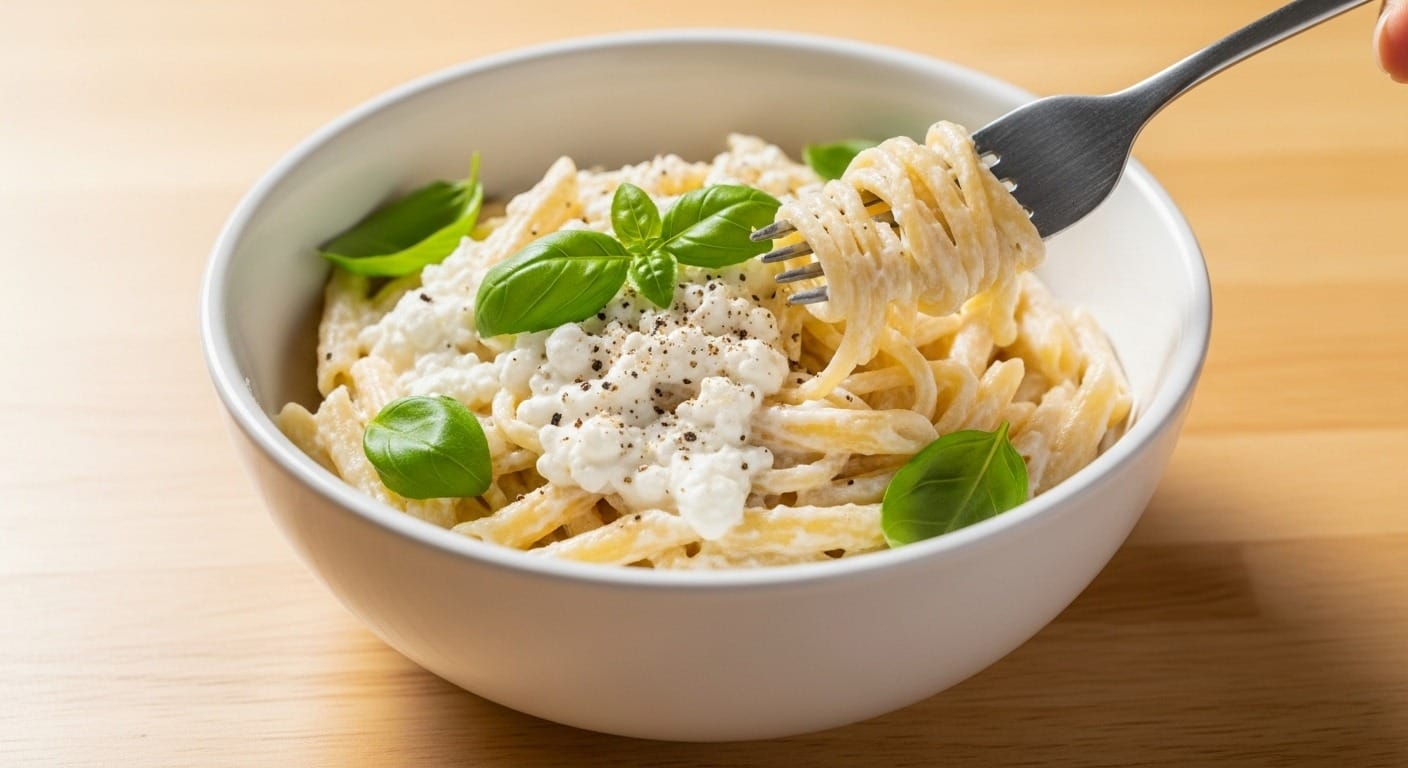
My sister called me last week asking for a pasta recipe that wouldn’t leave her feeling sluggish after lunch. She’s been trying to eat more protein but missed her beloved creamy pasta dishes. That’s when I realized – cottage cheese could be the answer. This high-protein pasta with cottage cheese has become my go-to when I want something indulgent yet nutritious. It tastes like you’re cheating on your health goals, but you’re actually crushing them.
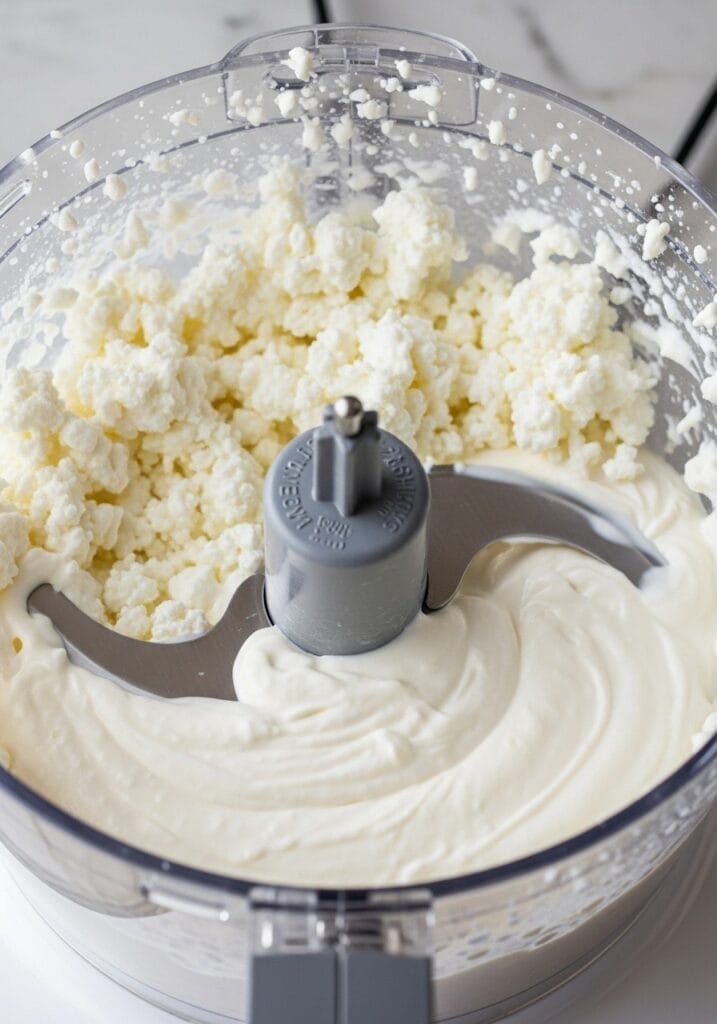
The magic here is simple. Cottage cheese blends into an incredibly creamy sauce that rivals any heavy cream or cheese-based pasta, but with a fraction of the calories and triple the protein. One serving gives you about 30 grams of protein, keeps you full for hours, and takes just 20 minutes from start to finish. Whether you’re meal prepping for the week or need a quick dinner solution, this recipe delivers on taste and nutrition without compromise.
Why Cottage Cheese Makes the Perfect Pasta Sauce
I’ll admit, I was skeptical the first time I heard about using cottage cheese in pasta. It seemed odd. But once you blend it, something remarkable happens – those curds disappear completely and you’re left with this silky, protein-packed base that clings beautifully to every strand of pasta.
Tired of Deciding What to Cook Every Night?
I’ve put together a simple 7-day dinner meal plan using my most-loved recipes — complete with a grocery list and flexible swaps.
Just $2.99 – Instant Download
Get the Meal PlanTraditional creamy pasta dishes often rely on heavy cream, butter, and multiple cheeses. Delicious? Absolutely. But they can leave you feeling heavy and tired. This pasta sauce with cottage cheese gives you that same luxurious mouthfeel with ingredients that actually support your energy levels throughout the day.
The protein content is the real winner here. Regular pasta with cream sauce might give you 10-12 grams of protein per serving. This version? You’re looking at 30 grams or more, depending on your pasta choice. That’s similar to what you’d get from a chicken breast, but in pasta form. For anyone trying to build muscle, stay satisfied between meals, or simply eat more balanced, this makes pasta night guilt-free.
Ingredients That Work Together Perfectly
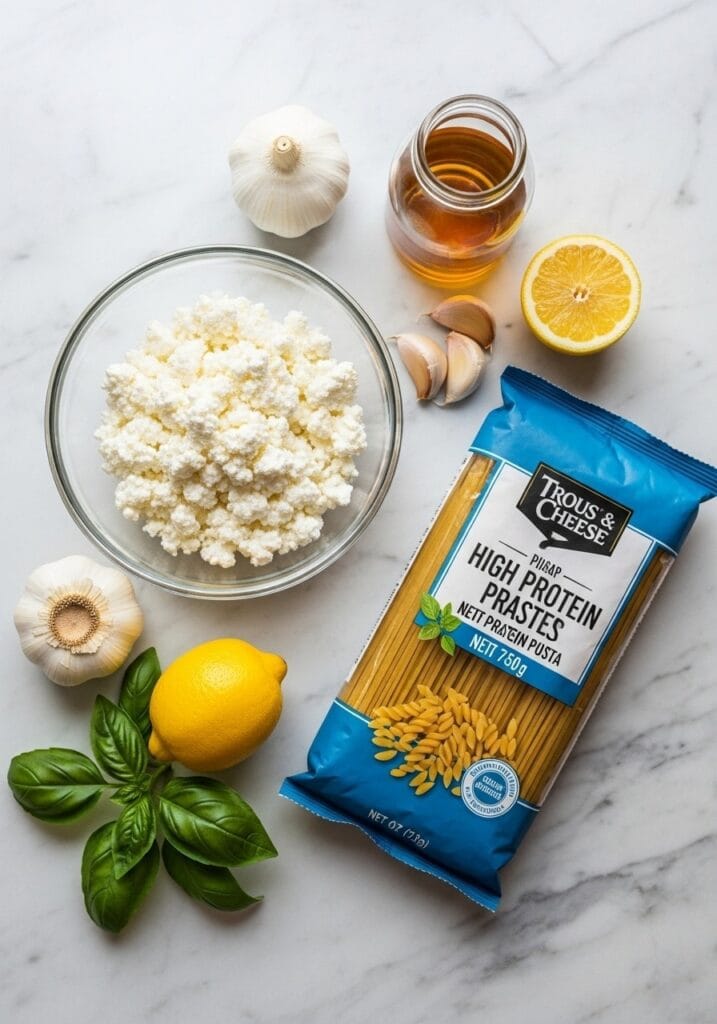
For the Pasta:
- 250g high-protein pasta (chickpea, lentil, or protein-enriched pasta)
- 2 tsp salt (for pasta water)
- 3 liters water
For the Cottage Cheese Sauce:
- 300g cottage cheese (full-fat or low-fat, both work)
- 60ml pasta water (reserved from cooking)
- 2 tbsp extra virgin olive oil
- 3 cloves garlic, minced
- 1/2 tsp salt
- 1/4 tsp black pepper
- 1/4 tsp red pepper flakes (optional, for heat)
- 30g Parmesan cheese, grated
- Juice of 1/2 lemon (about 1 tbsp)
For Garnish:
- Fresh basil leaves, torn
- Extra Parmesan cheese
- Cracked black pepper
- Cherry tomatoes, halved (optional)
Ingredient Notes:
- Can’t find high-protein pasta? Regular whole wheat pasta works, though you’ll get less protein per serving.
- If cottage cheese feels too tangy, use ricotta instead – it’s milder but has slightly less protein.
- Don’t skip the pasta water – it’s essential for creating that glossy, restaurant-quality sauce texture.
- Fresh garlic makes a difference here, but in a pinch, 1 tsp garlic powder can substitute.
How to Make This Protein-Packed Pasta
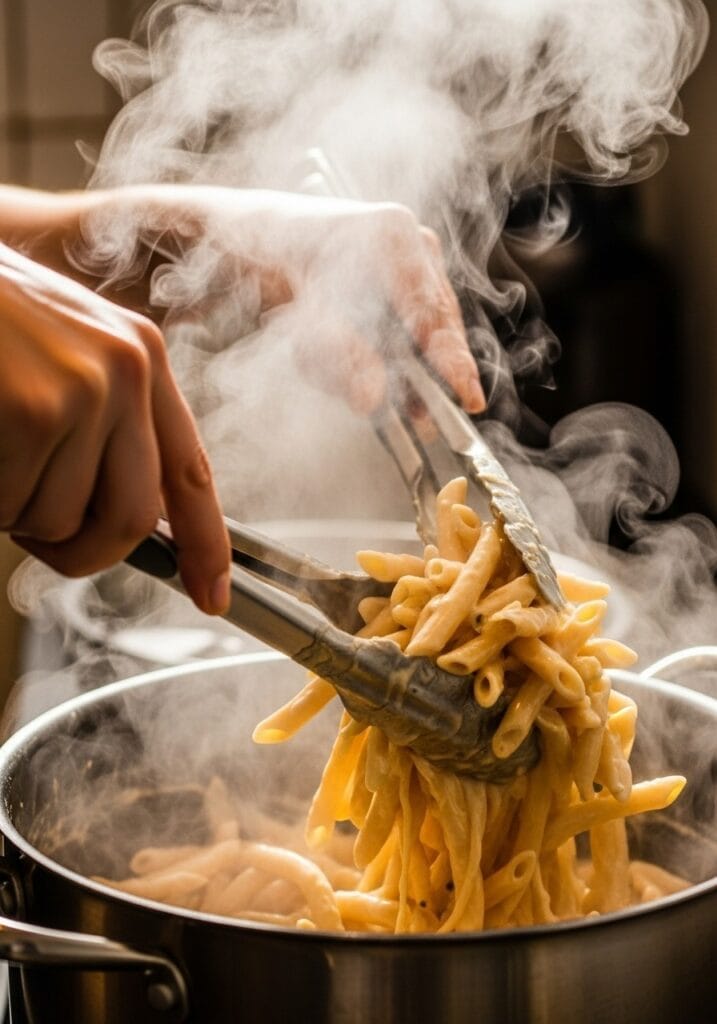
Step 1: Fill a large pot with 3 liters of water and add 2 tsp salt. Bring to a rolling boil over high heat. This usually takes 8-10 minutes.
Step 2: Add the high-protein pasta to the boiling water. Stir immediately to prevent sticking. Cook according to package directions, typically 7-9 minutes for al dente texture.
Step 3: While pasta cooks, add 300g cottage cheese to a blender or food processor. Blend on high speed for 45-60 seconds until completely smooth with no visible curds. The texture should look like thick cream.
Step 4: Before draining pasta, scoop out and reserve 120ml of the starchy pasta water in a measuring cup. Set aside.
Step 5: Drain the pasta in a colander. Do not rinse – you want that surface starch to help the sauce stick.
Step 6: Return the empty pot to the stove over medium heat. Add 2 tbsp olive oil and let it heat for 30 seconds.
Step 7: Add minced garlic to the oil. Cook for 45 seconds, stirring constantly, until fragrant but not browned. Your kitchen should smell amazing right now.
Step 8: Reduce heat to low. Pour in the blended cottage cheese. Stir continuously for 1-2 minutes to warm it gently. Don’t let it boil or it might separate.
Step 9: Add 60ml of the reserved pasta water to the cottage cheese. Stir well. The sauce should loosen up and become glossy. If it’s still too thick, add more pasta water 1 tbsp at a time.
Step 10: Stir in 30g grated Parmesan, 1/2 tsp salt, 1/4 tsp black pepper, and red pepper flakes if using. Mix until the Parmesan melts into the sauce, about 30 seconds.
Step 11: Squeeze in the lemon juice. Stir it through – this brightens the entire dish and balances the richness.
Step 12: Add the drained pasta to the pot. Using tongs, toss the pasta in the sauce for 1-2 minutes over low heat. Make sure every piece is coated. The sauce should cling to the pasta without pooling at the bottom.
Step 13: Taste and adjust seasoning. Sometimes I add a pinch more salt or an extra squeeze of lemon depending on the cottage cheese brand.
Step 14: Divide into bowls immediately. Top with torn fresh basil, extra Parmesan, and cracked black pepper. If using cherry tomatoes, scatter them on top now.
Making This Recipe Your Own
The beauty of this baked pasta with cottage cheese base is how adaptable it is. Last Tuesday, I added sautéed mushrooms and spinach – turned it into a complete meal. My husband threw in some rotisserie chicken and called it his new favorite dinner. Both versions were fantastic.
For a true pasta bake with cottage cheese, transfer everything to a baking dish after step 12. Top with extra cheese and breadcrumbs. Bake at 180°C for 15 minutes until golden and bubbly on top. This works brilliantly for meal prep or weeknight dinners when you want something you can make ahead.
Vegetable additions work beautifully. Roasted cherry tomatoes, sautéed zucchini, or steamed broccoli all complement the creamy sauce. For protein variations beyond pasta, try adding grilled chicken, pan-seared shrimp, or even crispy chickpeas for extra texture.
The sauce itself is versatile beyond pasta. I’ve used it as a base for quick lasagna, spread it on pizza dough, and even stirred it into baked potatoes. Once you have this blended cottage cheese technique down, you’ll find yourself using it everywhere.
Tips for Perfect Results Every Time
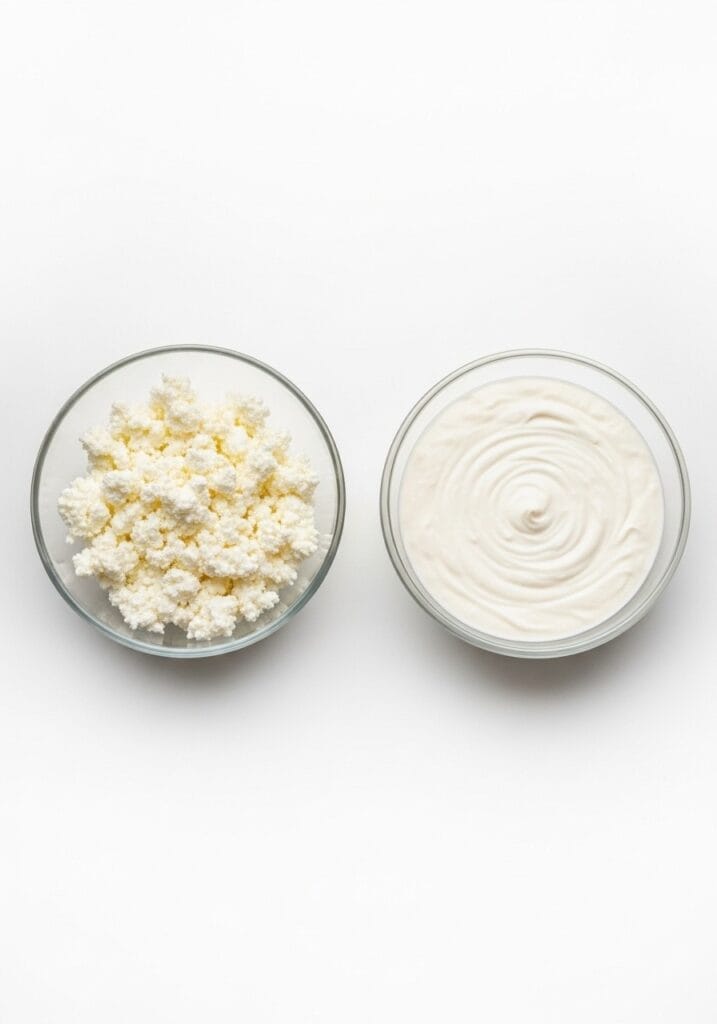
The biggest mistake I see people make? Overcooking the sauce. Cottage cheese is delicate once blended. Keep the heat low after adding it to the pan, and never let it come to a hard boil. Gentle warmth is all you need.
Pasta water is your secret weapon here. That starchy water helps emulsify the sauce and pasta together, creating a cohesive dish instead of pasta sitting in a puddle of sauce. Always reserve more than you think you’ll need – you can’t add it back once you’ve drained the pasta.
For the creamiest texture, choose full-fat cottage cheese. Low-fat versions work and save calories, but they can sometimes taste slightly more tangy and less rich. If you’re using low-fat, consider adding an extra tablespoon of olive oil to compensate for the missing richness.
Blending is non-negotiable if you want that smooth, creamy result. I tried mashing cottage cheese with a fork once to save time. It didn’t work – the sauce stayed lumpy and the texture felt grainy. A proper blender or food processor makes all the difference. It only takes a minute and the result is worth it.
Nutrition That Actually Supports Your Goals
This isn’t just healthy comfort food – it’s genuinely nutritious in a way that helps your body perform better. Each serving delivers approximately 30g protein, 45g carbohydrates, and 12g fat. That’s a balanced macronutrient profile that keeps blood sugar stable and energy consistent.
The protein content is what sets this apart from typical pasta dishes. Protein helps you stay full longer, supports muscle recovery if you’re active, and requires more energy to digest than carbs or fats. That means your body actually burns calories just processing this meal.
Using high-protein pasta made from chickpeas or lentils adds fiber too. You’re looking at 8-10 grams per serving, which most people struggle to get enough of. Fiber supports digestion, helps control appetite, and feeds the beneficial bacteria in your gut.
Compare this to a traditional fettuccine alfredo – you’d get similar calories but only 12-15g protein, minimal fiber, and a lot more saturated fat. This version flips that script entirely. You get the comfort and satisfaction without the afternoon energy crash.
Serving Suggestions and Pairings
I love serving this with a simple arugula salad dressed in lemon and olive oil. The peppery greens cut through the richness perfectly. Garlic bread feels a bit redundant since there’s already garlic in the sauce, but if you want bread, try a crusty whole grain loaf instead.
For a complete meal, pair this with a protein if you haven’t already added one to the pasta. Grilled lemon herb fish works beautifully – the bright flavors complement the creamy sauce. Roasted chicken thighs or even simple air-fryer chicken would be excellent choices too.
Wine pairing? A crisp white wine like Pinot Grigio or Sauvignon Blanc balances the richness. If you prefer red, go light with a Pinot Noir. But honestly, this pasta is satisfying enough that I often just have it with sparkling water and lemon.
This reheats surprisingly well, which isn’t always true for cream-based pastas. Store leftovers in an airtight container in the fridge for up to 3 days. When reheating, add a splash of water or milk and warm gently on the stove or in the microwave. The sauce might look separated at first, but it comes back together with a quick stir.
Common Questions About Cottage Cheese Pasta
Can you taste the cottage cheese? Not really, especially once it’s blended and seasoned. The Parmesan and garlic dominate the flavor profile. It tastes like a rich, creamy pasta sauce – most people can’t identify cottage cheese as the base.
Does it work with regular pasta? Absolutely. You’ll just get less protein per serving. Regular pasta gives you about 7g protein per serving, so your total would be around 20g instead of 30g. Still a solid amount.
Can I make this dairy-free? Unfortunately, cottage cheese is pretty central to this recipe. You could try using silken tofu blended with nutritional yeast, but the taste and texture will be different. It’s worth experimenting with if dairy isn’t an option.
How long does the sauce keep? The blended cottage cheese sauce stores in the fridge for up to 5 days in an airtight container. Make a big batch on Sunday and use it throughout the week for quick meals – just warm it gently and toss with freshly cooked pasta.
Why This Recipe Works for Busy Lives
Twenty minutes from start to finish. That’s all this takes. On nights when I’m exhausted and tempted to order takeout, this saves me. It’s faster than delivery, costs a fraction of the price, and I actually feel good after eating it.
The ingredient list is short and most items are pantry staples. If you keep high-protein pasta and cottage cheese on hand, you’re always one pot away from a satisfying dinner. No complicated techniques, no specialty equipment, just straightforward cooking that works.
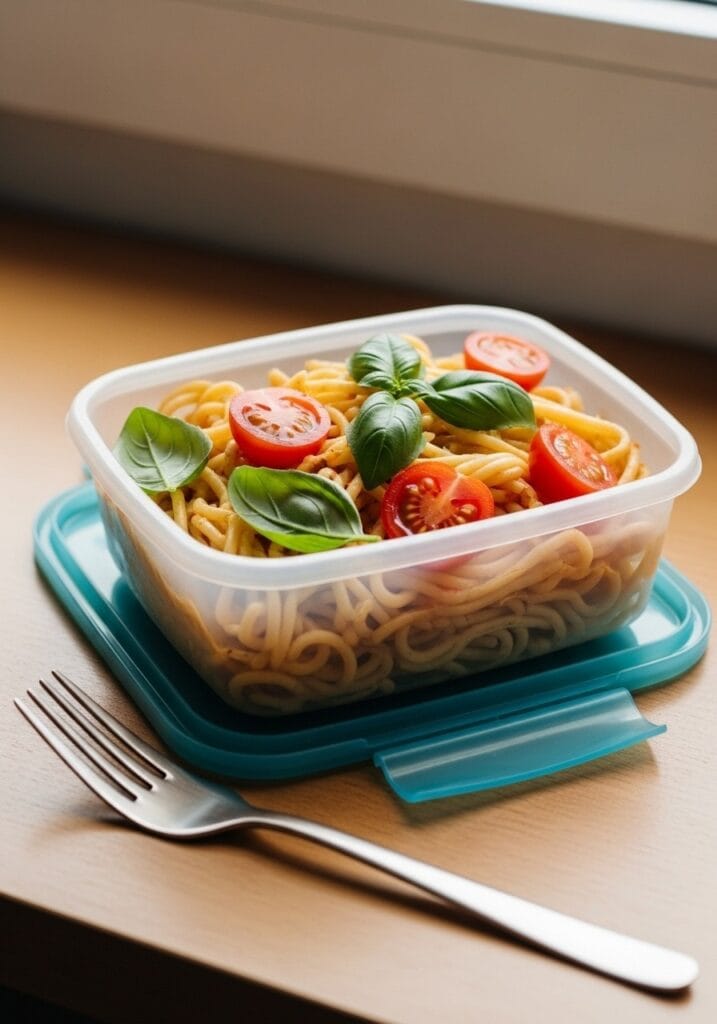
Meal prep friendly too. Make a double batch on Sunday and you’ve got lunch sorted for half the week. Pack it in containers with some cherry tomatoes and fresh basil. It travels well and tastes great cold or reheated. I’ve taken this to work countless times and had coworkers ask what smells so good.
The Final Bite
This high-protein pasta with cottage cheese has honestly changed how I think about pasta night. It proves you don’t have to choose between food that tastes good and food that’s good for you. You can have both, in the same bowl, in 20 minutes.
The creamy texture, the satisfying bite of protein-rich pasta, the way the sauce clings to every piece – it all works together beautifully. Whether you’re feeding a family, meal prepping for yourself, or just want a better alternative to heavy cream sauces, this delivers.
Try it once and I bet it becomes part of your regular rotation. It did for me, and I’m still finding new ways to customize it. That’s the mark of a truly good recipe – it adapts to whatever you need it to be while staying reliably delicious every single time.
Recipe Information:
- Serving Size: 2 large servings or 3 moderate servings
- Prep Time: 5 minutes
- Cook Time: 15 minutes
- Total Time: 20 minutes
- Difficulty Level: Easy
- Equipment Needed: Large pot, blender or food processor, colander, wooden spoon or tongs, measuring cups and spoons
Nutrition Per Serving (approximate):
- Calories: 480
- Protein: 30g
- Carbohydrates: 45g
- Fat: 12g
- Fiber: 8g
Still wondering what to cook tomorrow? Take the stress out of dinner with my simple 7-day meal plan.
Get the 7-Day Meal Plan for $2.99