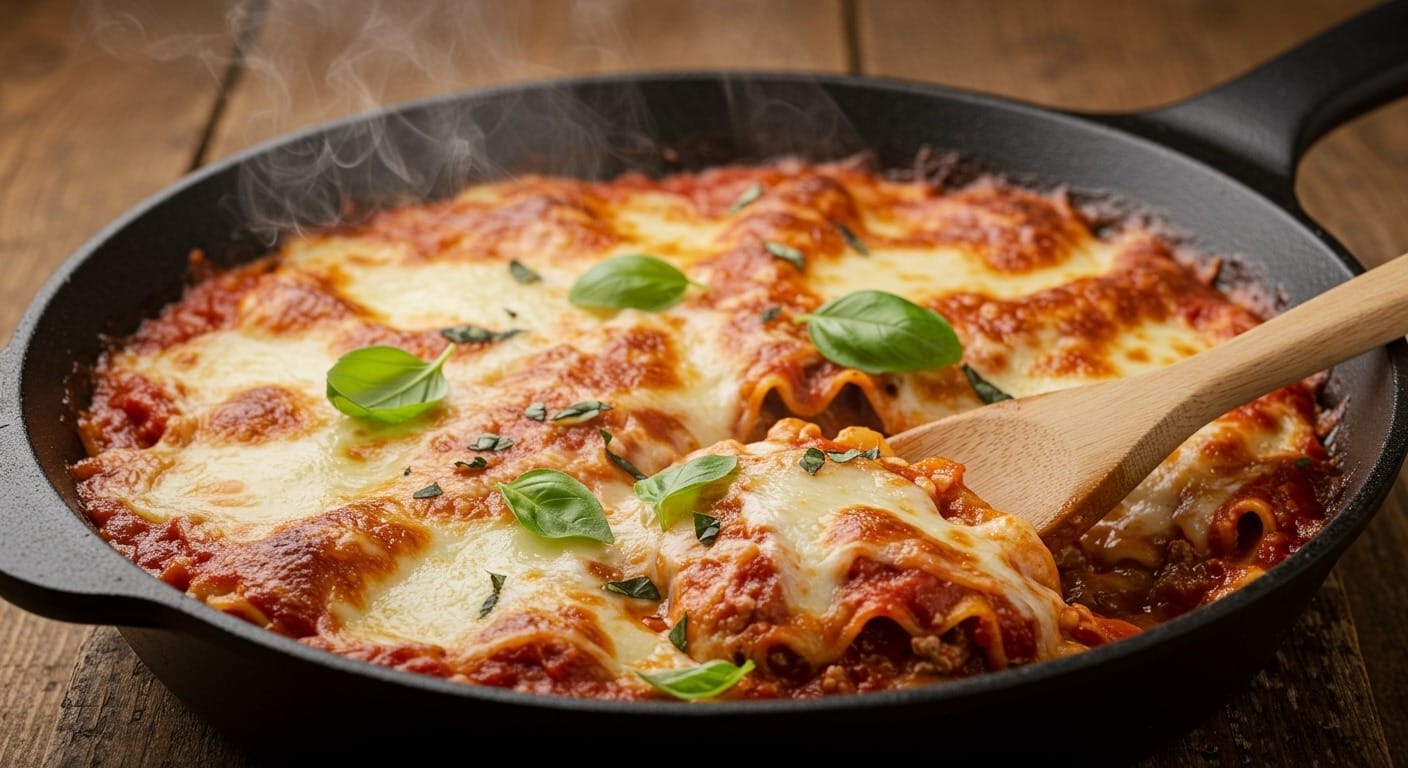

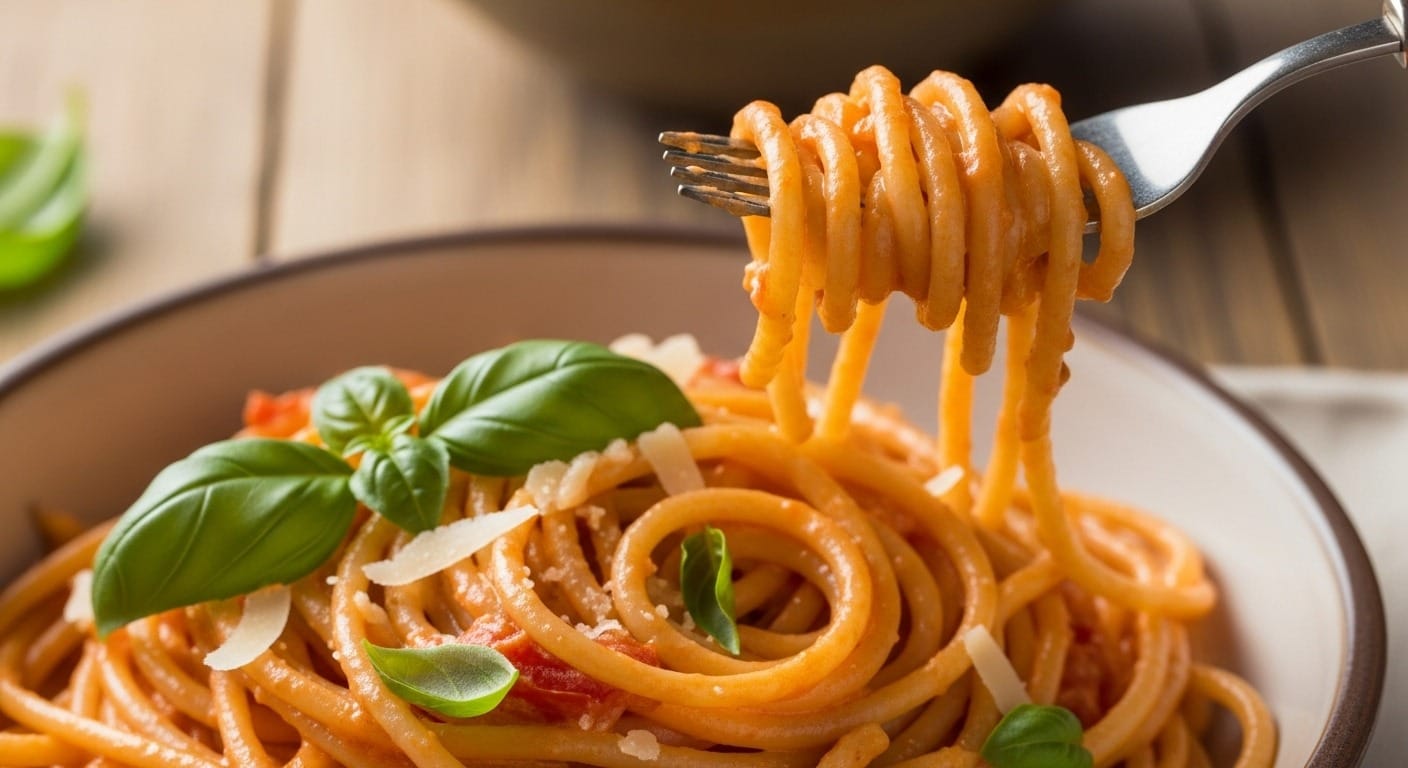
My 8-year-old nephew refuses to eat most vegetables, but he’ll devour two bowls of this 20-minute creamy tomato pasta without asking what’s in it. That’s the magic of a good tomato cream sauce – it sneaks nutrition past picky eaters while tasting like pure comfort.
This recipe was born from one of those nights when I got home late, stared into my pantry, and needed something better than cereal for dinner. The result? A creamy pasta tomato dish that’s become my most-requested weeknight meal. It takes less time than ordering takeout and uses ingredients you probably already have.
The best part is the sauce itself. Unlike traditional cream sauces that can feel heavy, this creamy tomato pasta sauce balances tangy tomatoes with just enough cream to create something luxurious without the guilt. You’ll get that restaurant-quality silkiness in about 20 minutes flat.
Tired of Deciding What to Cook Every Night?
I’ve put together a simple 7-day dinner meal plan using my most-loved recipes — complete with a grocery list and flexible swaps.
Just $2.99 – Instant Download
Get the Meal PlanWhat makes this recipe special:
- Ready in 20 minutes, start to finish
- One-pot cooking means minimal cleanup
- Beginner-friendly with simple techniques
- Rich and creamy without being overwhelming
- Naturally vegetarian (easily made vegan)
Why This Creamy Tomato Pasta Works
I’ve tried dozens of creamy tomato pasta variations, and this one consistently comes out on top. The secret isn’t fancy ingredients or complicated techniques. It’s about timing and balance.
Most cream sauces separate or turn grainy when you’re rushing. This one forgives mistakes. The starch from the pasta water helps emulsify everything into a silky sauce that clings to each strand. You’re essentially creating restaurant magic in your own kitchen.
The tomato base provides acidity that cuts through the richness of the cream. Without it, you’d have a sauce that tastes flat and heavy. With it, each bite feels balanced and crave-worthy. I’ve served this at dinner parties and had guests assume I’d been cooking for hours.
If you love quick comfort food like this, you might also enjoy our 20-minute chicken stir-fry or one-pot creamy pesto chicken for more speedy weeknight winners.
Ingredients You’ll Need
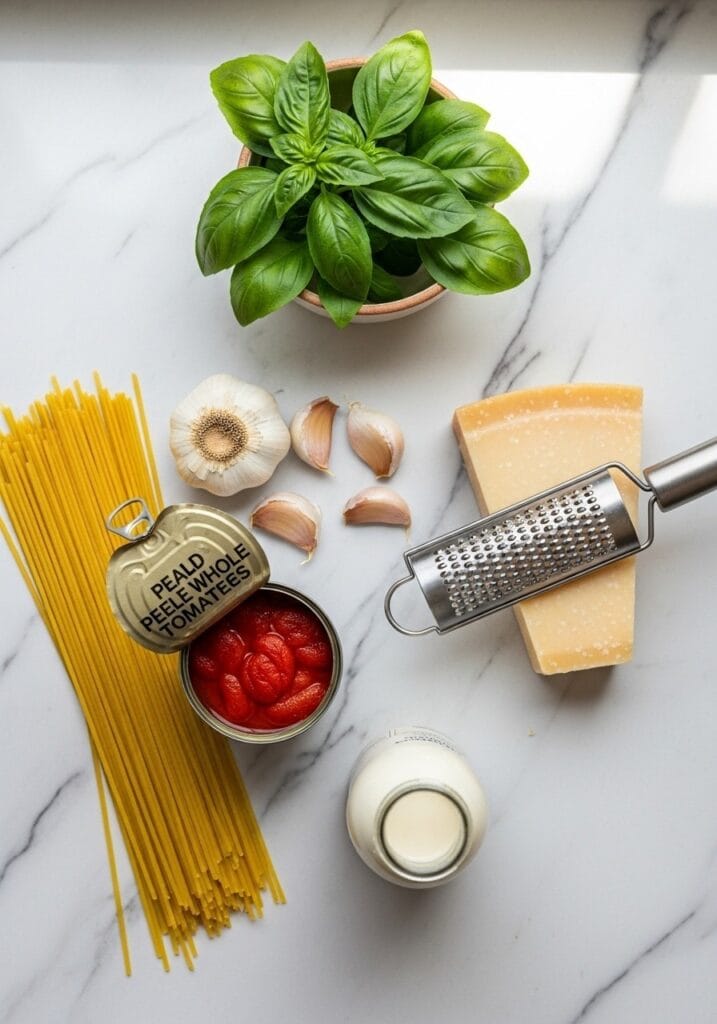
For the Pasta:
- 400g (14 oz) pasta of choice – I prefer penne, rigatoni, or fettuccine
- 2 liters (8 cups) water
- 1 tablespoon salt
- 2 tablespoons olive oil
For the Creamy Tomato Sauce:
- 2 tablespoons unsalted butter
- 4 cloves garlic, minced (about 1 tablespoon)
- 1 can (800g/28 oz) crushed tomatoes
- 240ml (1 cup) heavy cream or coconut cream for dairy-free
- 1 teaspoon dried basil
- 1 teaspoon dried oregano
- ½ teaspoon red pepper flakes (optional, for heat)
- 1 teaspoon sugar (balances acidity)
- Salt to taste (about 1 teaspoon)
- Freshly ground black pepper (½ teaspoon)
- 120ml (½ cup) reserved pasta water
For Garnish:
- Fresh basil leaves, torn
- 60g (½ cup) grated parmesan cheese
- Extra virgin olive oil for drizzling
Ingredient substitutions:
- No heavy cream? Use full-fat coconut milk for a dairy-free creamy sundried tomato pasta variation
- Fresh tomatoes work too – use 6-7 medium tomatoes, blanched and crushed
- Swap dried herbs with 2 tablespoons fresh basil and oregano
- Any pasta shape works, though shorter shapes hold sauce better
Step-by-Step Instructions
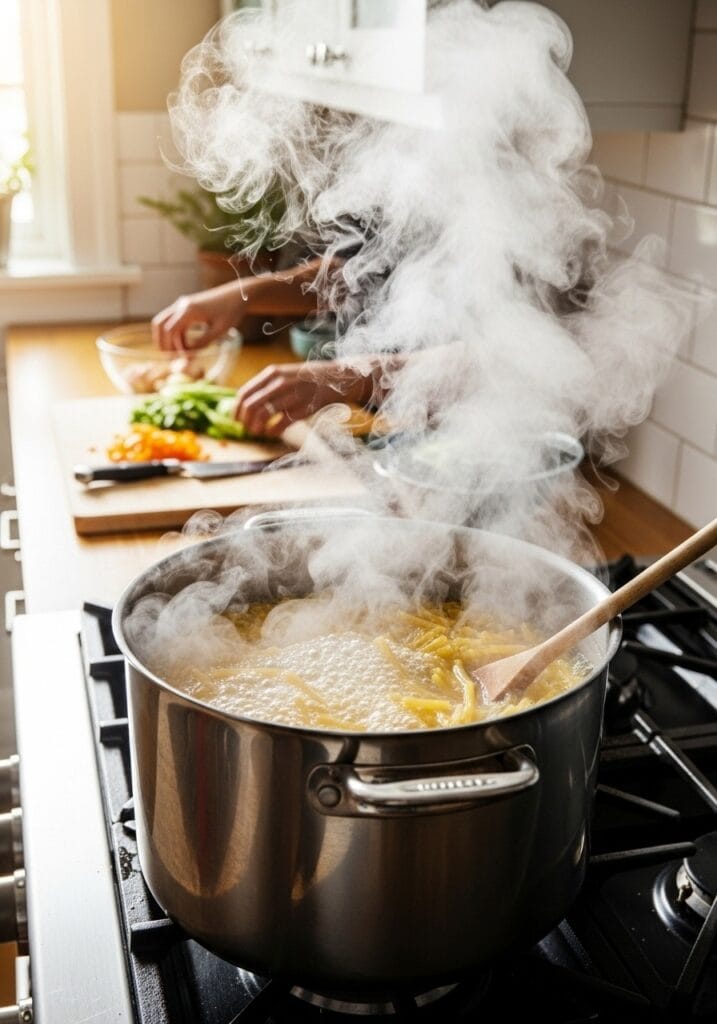
Step 1: Boil the Pasta
Bring 2 liters of water to a rolling boil in a large pot over high heat. Add 1 tablespoon salt and 2 tablespoons olive oil. The oil prevents sticking. Drop in your pasta and stir immediately to prevent clumping. Cook according to package directions minus 1 minute (usually 8-10 minutes for al dente). Before draining, scoop out 120ml of starchy pasta water and set aside. This liquid gold will help create your silky sauce later.
Step 2: Start the Sauce Base
While pasta cooks, melt 2 tablespoons butter in a large skillet over medium heat. Don’t let it brown – you want it just melted and foamy. Add minced garlic and sauté for 30-45 seconds until fragrant but not golden. Burnt garlic tastes bitter, so watch carefully. Your kitchen should smell amazing right now.
Step 3: Add Tomatoes and Seasonings
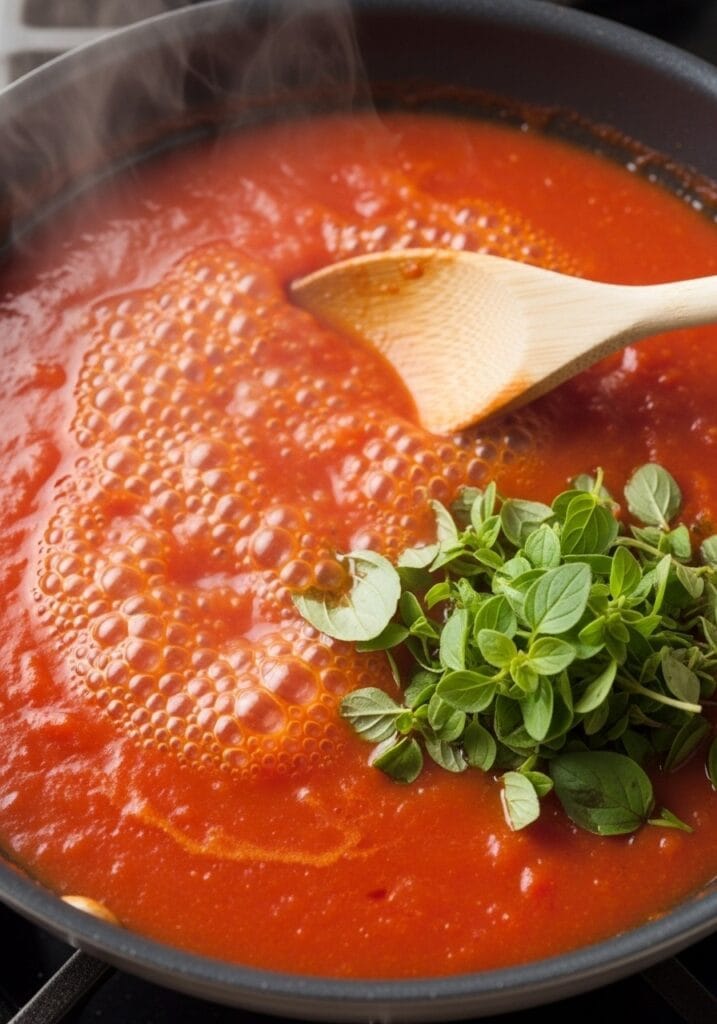
Pour in the entire can of crushed tomatoes directly into the garlic butter. Stir well to combine. Add dried basil, oregano, red pepper flakes, sugar, salt, and black pepper. The sugar is important – it cuts the acidity of the tomatoes without making the sauce sweet. Stir everything together and let it simmer on medium-low heat for 5-6 minutes. The sauce should bubble gently, not violently. This cooking time allows the flavors to marry together.
Step 4: Create the Creamy Magic
Reduce heat to low. Slowly pour in the heavy cream while stirring constantly. This gradual addition prevents the cream from curdling. You’ll see the sauce transform from bright red to a gorgeous peachy-orange color. Keep stirring for about 2 minutes as the sauce thickens slightly. If it looks too thick, add some reserved pasta water, 2 tablespoons at a time. The sauce should coat the back of your spoon without running off immediately.
Step 5: Combine Pasta and Sauce
Drain your pasta (don’t rinse it – you need that starch). Transfer the hot pasta directly into your sauce pan. Using tongs, toss the pasta in the sauce for 1-2 minutes over low heat. This step is crucial. You’re not just mixing – you’re allowing the pasta to absorb some sauce while the starches help everything cling together. Add reserved pasta water gradually if the sauce seems too tight. The pasta should look glossy and well-coated, not swimming in sauce or looking dry.
Step 6: Final Touches
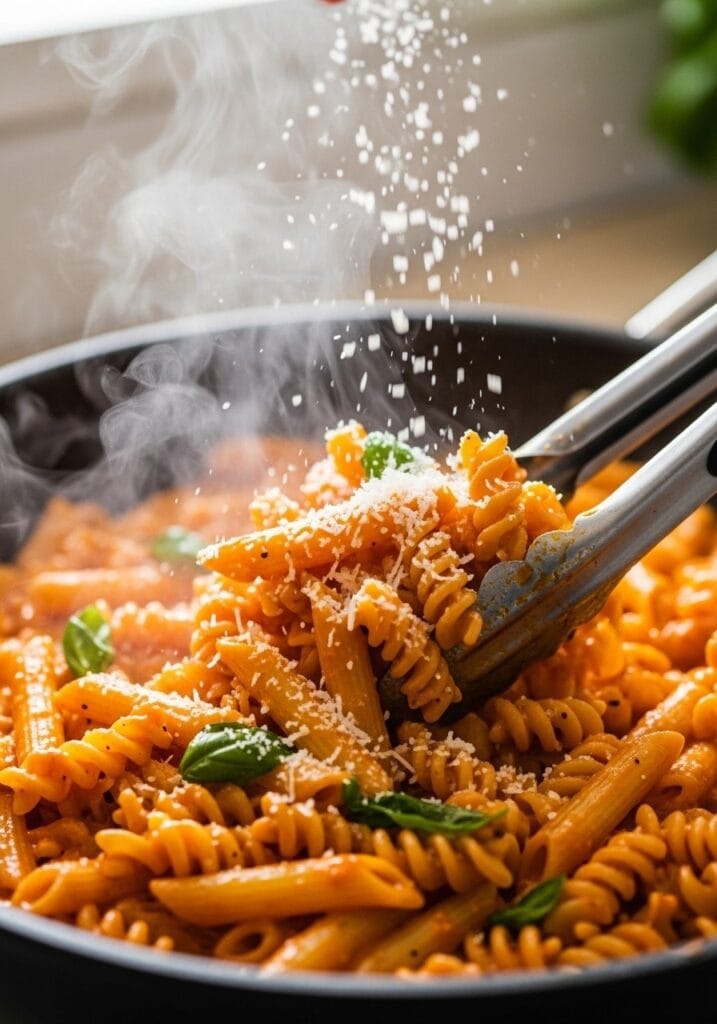
Remove from heat. Taste and adjust salt if needed. I usually add an extra pinch at this stage. Toss in half the parmesan cheese and stir until melted. This adds another layer of creaminess and umami flavor. The residual heat will melt the cheese perfectly without making it stringy.
Serving Suggestions
Divide the creamy sundried tomato pasta among four bowls. Top each serving with torn fresh basil, a generous sprinkle of remaining parmesan, and a light drizzle of extra virgin olive oil. The oil adds a peppery finish that elevates the whole dish.
This pairs beautifully with a simple green salad or garlic bread for soaking up extra sauce. I’ve also served it alongside our lemon butter tilapia fillets for a more substantial meal. The lemony fish cuts through the richness perfectly.
For a heartier version, add protein. Grilled chicken, sautéed shrimp, or even our garlic butter steak bites work wonderfully mixed right into the pasta. My husband often requests the steak bite addition for weekend dinners.
Storage and Reheating Tips
Store leftover creamy tomato pasta in an airtight container in the refrigerator for up to 3 days. The sauce may thicken as it sits – that’s normal. When reheating, add 2-3 tablespoons of milk, cream, or even water to loosen it back up.
To reheat on the stovetop, place pasta in a pan over medium-low heat. Add your liquid of choice and stir frequently until heated through, about 4-5 minutes. This method keeps the sauce silky rather than broken or oily.
Microwave reheating works too, though it’s less ideal. Heat in 45-second intervals, stirring between each, and add a splash of liquid to prevent drying out. Cover with a damp paper towel to trap moisture.
I don’t recommend freezing this creamy pasta tomato dish. Cream-based sauces can separate and turn grainy when frozen and thawed. If you must freeze it, expect texture changes and plan to add fresh cream when reheating to restore smoothness.
Common Mistakes to Avoid
Overcooking the pasta: Remember to drain it one minute before the package says. It’ll finish cooking in the sauce, and this prevents mushy pasta. I learned this the hard way after serving gummy noodles to dinner guests.
Adding cream too early: Wait until your tomato base has simmered for at least 5 minutes. Adding cream to raw tomatoes gives you a thin, watery sauce that never properly thickens. Patience pays off here.
Skipping the pasta water: That starchy water is your secret weapon for achieving restaurant-quality creaminess. Don’t pour it all down the drain. I keep a measuring cup near my colander as a reminder.
Using low-fat cream: It splits and curdles easily under heat. Full-fat heavy cream or full-fat coconut milk are your best bets for a stable, luscious sauce. Save the diet version for your coffee.
Not tasting as you go: Canned tomatoes vary in acidity. Some need more sugar, others need more salt. Taste after adding cream and adjust accordingly. This simple step separates okay pasta from incredible pasta.
Image Prompt: A side-by-side comparison showing perfect creamy tomato pasta on one side with glossy, well-coated noodles, and overcooked pasta on the other side looking mushy and separated, educational style shot on a white background.
Recipe Variations to Try
Creamy sundried tomato pasta: Add 80g (½ cup) chopped sundried tomatoes in oil along with the crushed tomatoes. The concentrated tomato flavor becomes more intense, and the oil adds richness. Drain the sundried tomatoes well before chopping to avoid an oily sauce.
Spicy version: Double the red pepper flakes and add ½ teaspoon cayenne pepper. Some crushed Calabrian chilies take it to another level if you can find them. My brother requests this version every time.
Protein-packed: Stir in shredded rotisserie chicken, cooked Italian sausage, or pan-seared shrimp during the final toss. This turns the dish from a side into a complete meal. Our 20-minute garlic butter shrimp would be perfect here.
Veggie-loaded: Sauté spinach, mushrooms, or zucchini before adding the tomatoes. This adds nutrition without changing the core recipe. I often throw in whatever vegetables are about to go bad in my fridge.
Vodka sauce style: Add 60ml (¼ cup) vodka after sautéing the garlic, let it cook for 2 minutes before adding tomatoes. The alcohol enhances the tomato flavor in an unexpected way. Just make sure it cooks off completely.
Why Quick Pasta Recipes Matter
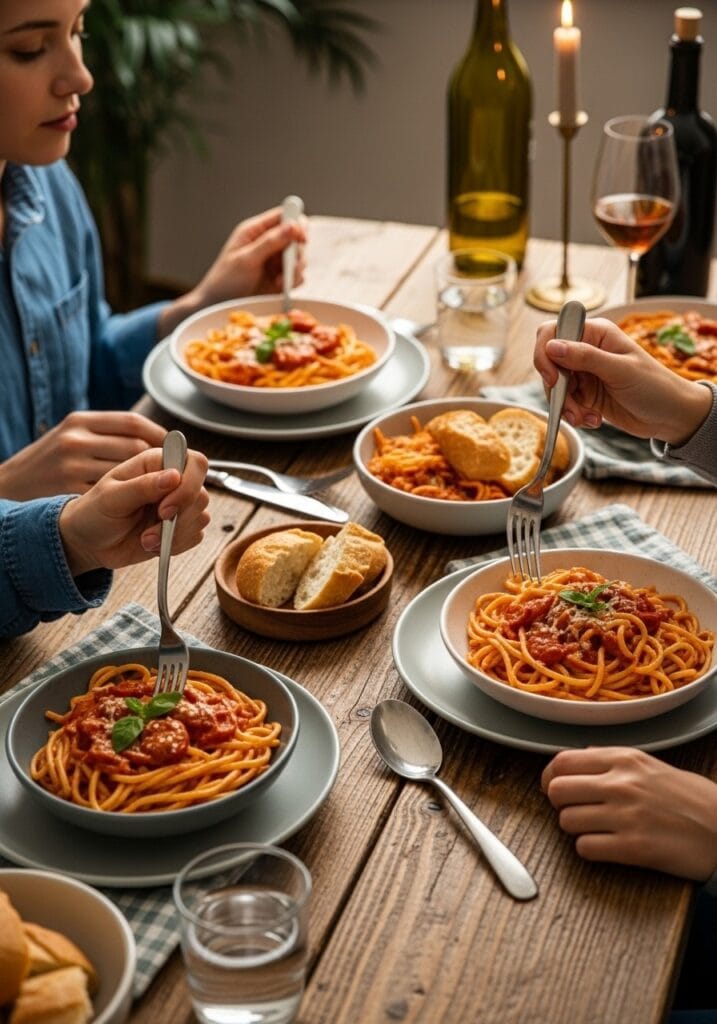
Life gets busy. Between work deadlines, kids’ activities, and trying to maintain some semblance of sanity, elaborate cooking often falls by the wayside. That’s where recipes like this 20-minute creamy tomato pasta become absolute lifesavers.
You’re not sacrificing quality for speed here. This tastes like something you’d order at an Italian restaurant, yet it requires minimal skill and even less time. I’ve taught my teenage daughter to make it, and now she cooks it for the family on her own.
Quick and easy meals don’t have to mean frozen dinners or takeout. With a few basic techniques and pantry staples, you can create deeply satisfying food that brings everyone to the table. This pasta does exactly that.
Nutritional Information (Per Serving)
Serves: 4 people Cooking time: 20 minutes total Difficulty level: Beginner-friendly
Approximate nutritional breakdown per serving:
- Calories: 520 kcal
- Protein: 14g
- Carbohydrates: 68g
- Fat: 22g
- Fiber: 4g
- Sugar: 8g
- Sodium: 680mg
Note: Nutritional values are estimates and will vary based on specific brands used and any modifications made to the recipe.
Equipment Needed
You don’t need fancy equipment for this creamy tomato pasta sauce. Here’s what I use:
- Large pot (at least 4 liters) for boiling pasta
- Large skillet or sauté pan (30cm/12 inches)
- Wooden spoon or heat-resistant spatula
- Colander for draining
- Measuring cups and spoons
- Knife and cutting board for garlic
- Ladle or measuring cup for pasta water
A pasta pot with a built-in strainer makes life easier, but a regular pot and colander work perfectly fine. I cooked this recipe for years before upgrading my equipment.
Frequently Asked Questions
Can I use milk instead of cream? You can, but the sauce won’t be as rich or creamy. If using milk, add 1 tablespoon of flour to the garlic butter before adding tomatoes. This helps thicken the sauce since milk has less fat. Whole milk works better than skim.
How do I prevent the cream from curdling? Always add cream after the tomatoes have simmered and reduce your heat to low before pouring it in. Stir constantly as you add it. Room temperature cream curdles less than cold cream straight from the fridge.
Can I make this ahead? The sauce can be made up to 2 days ahead and stored separately from the pasta. Reheat it gently and cook fresh pasta when ready to serve. The texture stays better this way than making the complete dish ahead.
What’s the best pasta shape for this sauce? Short, tubular pasta like penne or rigatoni trap the sauce inside. Long pasta like fettuccine or linguine works well too. Avoid delicate shapes like angel hair – they get overwhelmed by the hearty sauce. I personally love rigatoni for this recipe.
Is this recipe kid-friendly? Absolutely. The creamy sauce is mild and not too tomatoey, which picky eaters often prefer. Skip the red pepper flakes if cooking for young children. My nephew’s obsession with this pasta proves its kid appeal.
Making It Your Own
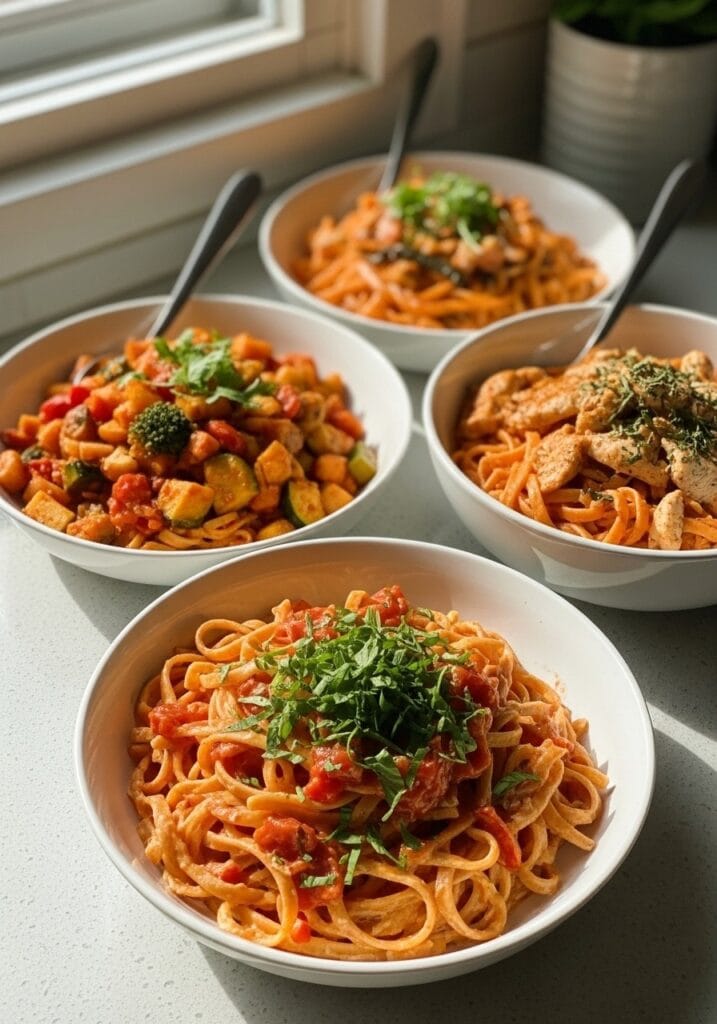
The beautiful thing about this 20-minute creamy tomato pasta is how adaptable it is. Once you’ve made the base recipe a few times, you’ll start seeing opportunities to customize it based on what’s in your fridge or what flavors you’re craving.
I’ve added everything from leftover roasted vegetables to cannellini beans to chunks of fresh mozzarella. Each variation feels like a new recipe while following the same basic technique. That’s the kind of flexible cooking that makes weeknight dinners less stressful.
Don’t be afraid to experiment. Cooking should feel like play, not pressure. If you mess up a batch (and I have), you’ll learn what not to do next time. That’s how you develop intuition in the kitchen.
For more inspiration on getting creative with simple ingredients, check out our weeknight dinners collection. There’s something satisfying about building a repertoire of reliable recipes you can make without thinking too hard.
The Science Behind the Creaminess
Ever wonder why some cream sauces turn out silky while others look broken and oily? It comes down to emulsification – getting fat and water to stay mixed together when they naturally want to separate.
The starch released from cooking pasta acts as an emulsifier. That’s why professional chefs always reserve pasta water. When you toss hot pasta in the sauce with a bit of that starchy water, you’re creating a stable emulsion that gives you that glossy, clingy coating.
The butter at the beginning also helps. Butter contains milk solids and water along with fat, making it easier to blend with both the watery tomatoes and the fatty cream. Starting with butter creates a more stable base than starting with oil alone.
Temperature control matters too. High heat can cause the proteins in cream to seize up and separate. Keeping things at a gentle simmer or lower ensures everything stays smooth and integrated. This is why we reduce heat before adding cream.
Understanding these principles helps you troubleshoot when things go wrong. Sauce looking greasy? Add pasta water and toss vigorously. Too thin? Let it simmer longer to reduce. Too thick? More pasta water. You’re not following rules blindly – you’re working with the ingredients.
Final Thoughts
This creamy pasta tomato recipe has earned its permanent spot in my weekly rotation. It’s reliable, delicious, and flexible enough to handle whatever modifications you throw at it. Whether you’re cooking for picky kids, trying to impress a date, or just need to eat something better than cereal, this pasta delivers.
The 20-minute timeline isn’t an exaggeration either. From the moment I start boiling water to when I’m sitting down with a bowl, it genuinely takes about 20 minutes. That’s faster than most delivery options and infinitely more satisfying.
I hope this becomes one of those recipes you return to again and again. The kind you can make half-asleep on a Tuesday night or serve proudly at a casual dinner party. Food doesn’t have to be complicated to be special. Sometimes the simplest recipes are the ones we treasure most.
If you make this 20-minute creamy tomato pasta, I’d love to know how it turns out. Try it with our no-bake Oreo cheesecake bars for dessert, and you’ve got a complete meal that’ll make everyone at your table happy.
Now go make some pasta. Your future self will thank you for having this recipe in your back pocket.
Still wondering what to cook tomorrow? Take the stress out of dinner with my simple 7-day meal plan.
Get the 7-Day Meal Plan for $2.99